
Does wheel weight really impact my car’s performance ?
Does wheel weight really impact my car's performance | Complete Guide for Smooth Driving
Yes, wheel weights can impact your car’s performance—but the effect depends on how and why you’re using them. Let’s break it down clearly:
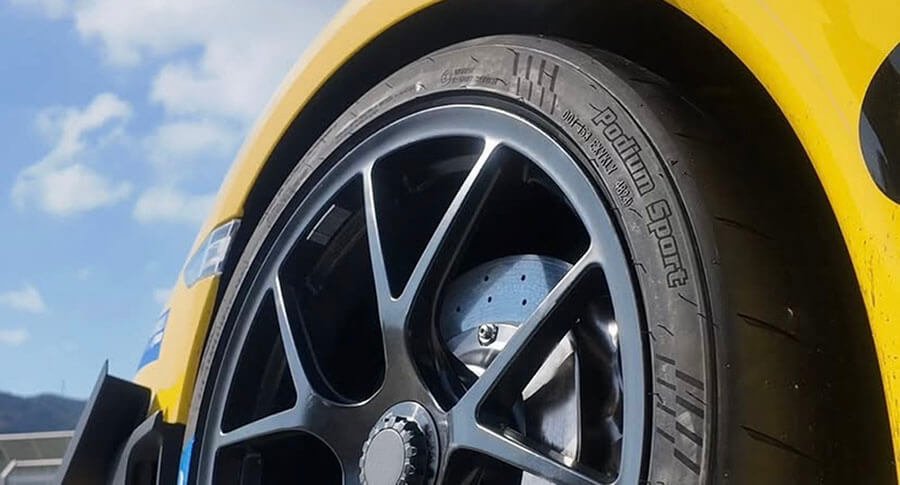
Many car owners underestimate the importance of wheel weights. Small but crucial, wheel weights play a significant role in maintaining smooth tire rotation, preventing vibrations, and improving overall vehicle performance. In this guide, we will explore how wheel weights impact your car, why proper installation is essential, and tips for choosing the right weights.
1. Purpose of Wheel Weights
Wheel weights are used to balance your tires. When a tire and wheel aren’t perfectly balanced, it can cause:
- Vibrationat certain speeds, usually felt in the steering wheel or seat.
- Uneven tire wear, reducing the lifespan of your tires.
- Extra stress on suspension components, potentially leading to premature wear.
Balancing ensures the tire rotates evenly, which is crucial for smooth driving.
2. Direct Performance Effects
- Ride Comfort:Unbalanced wheels → vibration → uncomfortable ride. Balanced wheels → smooth ride.
- Fuel Efficiency:Slightly improved with proper balance because tires roll more evenly. The difference isn’t huge, but over time it can matter.
- Handling and Safety:At higher speeds, unbalanced wheels can reduce stability and control, which can impact cornering and braking slightly.
3. Subtle Points
- Using too heavy or improperly placed weightscan slightly change your wheel’s rotation dynamics, but modern small weights (like 5–20 grams per wheel) are negligible for performance.
- For high-performance or racing cars, even tiny imbalances can be felt, so precision balancing is critical.
- For normal daily driving, balanced wheels primarily affect comfort and tire longevity rather than dramatic “horsepower” performance.
4. Types of Wheel Weights
Clip-On Weights: Ideal for steel rims; secure mechanically.
Adhesive Weights: Suitable for alloy rims; applied to wheel inner surface.
Self-Adhesive Precision Weights: Advanced option for high-performance vehicles.
5. Common Misconceptions
Myth: Wheel weights only matter for old tires.
Fact: Even new tires may have minor imbalances affecting performance.
Myth: Any weight can work.
Fact: Choosing the correct type and size is crucial for proper balancing.
Bottom Line
Wheel weights themselves don’t make your car faster or more powerful, but they prevent vibrations, improve ride quality, protect tires and suspension, and slightly help efficiency. In short: they impact practical performance, not raw engine performance.
If you want, I can also explain how to tell if your wheel weights are off or missing, because a lot of drivers don’t even realize it’s the source of vibration. This can be a game-changer for comfort.
[Request a Quote / Contact Us]
Recommended: Add a form or popup inquiry at the bottom to increase lead generation and conversion rates.