
Can Missing Wheel Weights Cause Vibration?
Can Missing Wheel Weights Cause Vibration?
If you notice your steering wheel shaking while driving, especially at highway speeds, one possible cause is a missing wheel weight.
Yes, missing wheel weights can cause vibration. These small metal components play an important role in keeping a vehicle's wheels balanced. When a wheel weight falls off, the weight distribution around the wheel changes, which can create an imbalance as the tire rotates.
Although wheel weights are relatively small, even a slight imbalance can affect driving comfort, particularly at higher speeds.
In this article, we explain why missing wheel weights cause vibration, how to recognize the warning signs, and what you should do if a wheel weight comes loose.
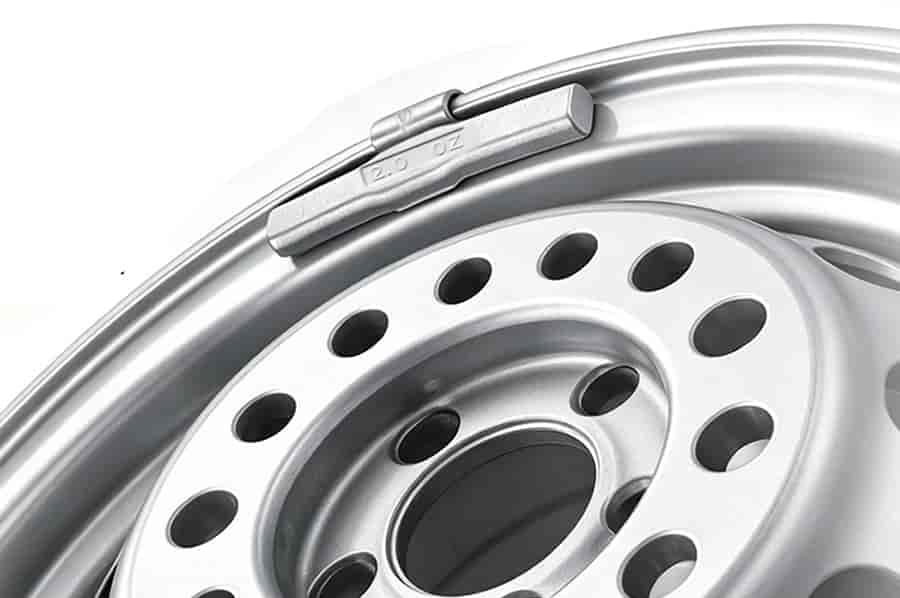
1. Why Do Missing Wheel Weights Cause Vibration?
A wheel and tire assembly needs to rotate evenly around its center. However, the tire, rim, and other components are not always perfectly balanced during manufacturing.
Wheel balancing weights compensate for these small differences in mass distribution.
During wheel balancing, a technician uses a wheel balancing machine to identify heavy and light areas of the wheel assembly. The correct amount of weight is then installed at specific positions on the rim to correct the imbalance.
If one of these weights falls off, the wheel is no longer balanced to its previous specification.
As the wheel rotates, the uneven mass distribution creates centrifugal forces. These forces can cause noticeable vibration, especially as vehicle speed increases.
In simple terms: When a wheel loses its balancing weight, the tire may no longer rotate smoothly, resulting in steering wheel vibration, floor vibration, or shaking throughout the vehicle.
2. What Are the Common Symptoms of Missing Wheel Weights?
A missing wheel weight does not always produce obvious symptoms immediately. The severity depends on how much weight has been lost, its original position, and the wheel assembly.
Here are several common warning signs.
Steering Wheel Shaking
If a front wheel loses a balancing weight, you may notice the steering wheel vibrating while driving.
The vibration often becomes more noticeable at highway speeds, although the exact speed range varies depending on the amount and location of the imbalance.
Vibration Through the Seat or Floor
When the imbalance comes from a rear wheel, the vibration may be felt more clearly through the vehicle's seat, floor, or body rather than directly through the steering wheel.
Vibration That Changes With Speed
Wheel imbalance-related vibration is often speed-dependent. It may be barely noticeable at low speeds but become more pronounced as the vehicle accelerates.
A Missing Weight or Adhesive Residue on the Rim
Sometimes, the problem is visible.
You may find:
- An empty clip-on weight position on the wheel rim.
- Adhesive residue where a stick-on wheel weight was previously installed.
- A loose or damaged adhesive weight.
- Scratches or marks around the original mounting position.
However, a missing weight alone does not confirm that it is the source of the vibration. Proper wheel balancing is needed to identify the actual problem.
3. Why Do Wheel Balancing Weights Fall Off?
Wheel weights are designed to remain securely attached during normal driving conditions. However, several factors can cause them to become loose or detach.
Improper installation
Clip-on wheel weights must match the rim profile. If the clip does not fit properly, the weight may loosen during driving.
For adhesive wheel weights, the rim surface must be clean, dry, and free from oil, brake dust, and other contaminants before installation.
Poor adhesive performance
Adhesive weights may detach if the tape has insufficient bonding strength, the surface was not properly prepared, or the installation temperature is outside the adhesive manufacturer's recommended range.
Corrosion and environmental exposure
Moisture, road salt, temperature changes, and corrosion can affect the attachment of wheel weights over time.
Impact from road debris or wheel cleaning
Contact with curbs, road debris, tire-changing tools, or aggressive cleaning equipment can damage or dislodge wheel weights.
Choosing the correct wheel weight and installing it properly are essential for long-term retention.
4. How to Fix Vibration Caused by Missing Wheel Weights
If you suspect that a missing wheel weight is causing vibration, the best solution is to have the wheel assembly inspected and balanced again.
Follow these steps:
Step 1: Inspect the wheels
Check all four wheels for missing clip-on weights, adhesive residue, damaged weights, or signs of incorrect installation.
Step 2: Check the rim and tire
Look for visible tire damage, uneven wear, bent rims, or other problems that could contribute to vibration.
Step 3: Use a wheel balancing machine
A professional technician should mount the wheel and tire assembly on a balancing machine to measure the remaining imbalance.
The machine identifies the required correction weight and its installation position.
Step 4: Install the correct wheel weights
Depending on the wheel design, the technician may use clip-on wheel weights or adhesive stick-on wheel weights.
Clip-on weights are commonly used on compatible steel and alloy rims, while adhesive weights are frequently used on alloy wheels where a clean exterior appearance is preferred.
Step 5: Recheck the balance
After installation, run the wheel through the balancing machine again to verify that the remaining imbalance is within the equipment's acceptable tolerance.
Simply attaching a weight of the same size in approximately the same location is not a reliable repair method. The wheel should be balanced using the correct measurements.
5. Clip-On vs. Adhesive Wheel Weights: Which Should You Use?
Both types are designed to correct wheel imbalance, but they are installed differently.
Clip-On Wheel Weights
Clip-on weights attach to the wheel rim using a metal clip.
They are available in different profiles to match specific rim designs and are commonly used on steel wheels and compatible alloy wheels.
Their main advantage is straightforward installation without adhesive.
Adhesive Stick-On Wheel Weights
Adhesive wheel weights use pressure-sensitive tape to attach directly to the inner surface of the wheel.
They are widely used on alloy wheels, especially when traditional clip-on weights are unsuitable or when the installer wants to avoid visible clips on the outside of the rim.
Common configurations include 5g and 10g segments, which can be combined to achieve the required correction weight.
The bonding surface must be properly cleaned and prepared before installation.
The right choice depends on the rim profile, vehicle application, installation requirements, and wheel manufacturer's recommendations.
6. Can You Drive With a Missing Wheel Weight?
In many cases, a vehicle with a missing wheel weight can still move, but that does not mean the problem should be ignored.
A small amount of imbalance may produce only minor vibration. However, a more significant imbalance can reduce driving comfort and contribute to additional stress on tires and suspension components over time.
If the vibration is severe, suddenly appears, or is accompanied by unusual noise, steering problems, or visible tire damage, slow down safely and arrange an inspection.
Do not assume that replacing a missing weight will solve every vibration problem. Tire defects, bent rims, damaged suspension components, wheel bearing problems, and incorrect wheel installation can produce similar symptoms.
A professional inspection is the safest way to identify the cause.
7. How Can You Prevent Wheel Weights From Falling Off?
Proper installation and product selection can significantly reduce the risk of losing wheel weights.
Here are several practical recommendations for tire shops and wheel service professionals:
- Select clip-on weights that match the wheel rim profile.
- Clean and dry the mounting surface before applying adhesive weights.
- Use adhesive tape suitable for the intended wheel application.
- Follow the tape manufacturer's recommended installation temperature and application procedure.
- Apply sufficient pressure to ensure proper adhesive contact.
- Inspect wheel weights during tire rotation and routine maintenance.
- Use a balancing machine to verify the final result.
For automotive aftermarket distributors and tire service businesses, consistent product quality and correct installation procedures are equally important.
Frequently Asked Questions
Can one missing wheel weight cause vibration?
Yes. Even one missing wheel weight can create an imbalance, depending on its original mass and position. The resulting vibration may become more noticeable as vehicle speed increases.
At what speed do missing wheel weights cause vibration?
There is no single speed at which vibration will begin. Wheel imbalance is often more noticeable at highway speeds, but the actual speed range depends on the amount and location of the imbalance, as well as the vehicle and tire assembly.
Can missing wheel weights damage tires?
A missing weight does not automatically damage a tire. However, a significant or persistent imbalance can contribute to uneven tire wear and additional stress on suspension components.
Can I replace a missing wheel weight myself?
You can inspect the wheel for missing weights, but replacing one accurately requires knowing the correct weight and installation position. A wheel balancing machine is recommended to verify the result.
Do all wheels need balancing weights?
Not every wheel requires a visible correction weight at every balancing position. However, each wheel and tire assembly should be checked and balanced according to the balancing machine's measurements and applicable service specifications.
Are adhesive wheel weights as effective as clip-on weights?
Yes. Both can effectively correct wheel imbalance when the correct product is selected and installed properly. The choice depends on wheel design, rim compatibility, and installation requirements.
Final Thoughts
Missing wheel weights are a relatively small problem that can make a noticeable difference in driving comfort.
If your steering wheel starts shaking or you feel vibration at highway speeds, checking the wheel balancing weights is a sensible first step. However, a complete inspection and a balancing machine test are necessary to confirm the cause.
For tire shops, distributors, and automotive service professionals, choosing reliable wheel balancing weights and following proper installation procedures helps maintain consistent balancing performance.
Cangzhou Shengshiweiye Automobile Accessory Co., Ltd. manufactures a range of wheel balancing weights, including clip-on and adhesive types, for passenger cars, trucks, and other vehicle applications.
For product specifications, material options, packaging, or OEM requirements, contact our team.
Website: www.wheelbalanceweights.com
Email: wheelweight9@ssqcpj.com
WhatsApp: +86 18713779288
Common wheel balance weight types include:
Get a Bulk Quote / Inquiry:
If you are looking for a reliable supplier or need a custom wholesale price, contact our sales representative instantly via WhatsApp or Email.