
How Often Should Wheels Be Balanced? Signs, Mileage & Tire Wear Guide
How often should wheels be balanced
Wheels should generally be balanced every 5,000 to 7,500 miles, during tire rotation, or whenever vibration occurs at highway speeds. Proper wheel balancing improves tire life, driving comfort, and vehicle stability.
Proper wheel balancing is essential for maintaining smooth driving, prolonging tire life, and ensuring vehicle safety. Many drivers overlook this simple maintenance task, but it can make a noticeable difference in comfort and performance. So, how often should you have your wheels re-balanced? Let’s explore the details.
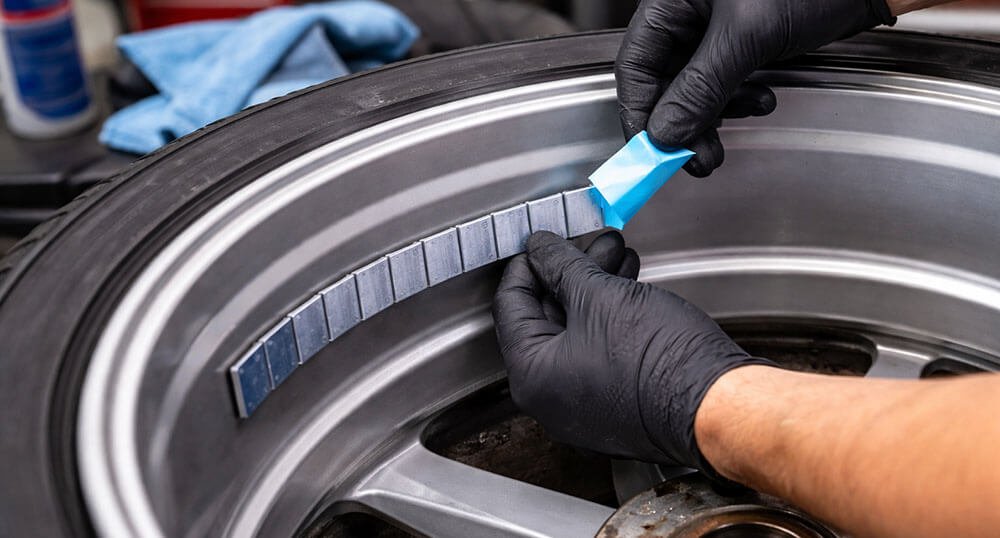
1. Standard Recommendation
Most automotive experts recommend re-balancing your wheels every 5,000 to 6,000 miles, or roughly every 8,000 to 10,000 kilometers. This schedule aligns with regular tire rotation intervals, making it convenient to combine both services in one visit to your mechanic.
2. Whenever You Install New Tires
Every time you install new tires, it’s crucial to balance them. Unbalanced new tires can lead to:
- Vibrations in the steering wheel or seat
- Uneven tire wear
- Increased strain on suspension components
Balancing ensures that each tire rotates evenly and performs as designed.
3. Signs That Re-Balancing Is Needed
Even if you follow a regular schedule, certain conditions indicate that your wheels may need attention sooner:
- Vibrations at highway speeds
- Uneven tire wear patterns
- Car pulling to one side
- Noise from tires or rims during driving
If any of these occur, a professional wheel balancing can quickly correct the issue.
4. Special Considerations
- After hitting potholes or curbs:Sudden impacts can dislodge wheel weights, requiring immediate re-balancing.
- High-performance or heavy vehicles:Sports cars, trucks, and SUVs may need more frequent balancing due to higher loads and speeds.
- Seasonal tire changes:If you switch between summer and winter tires, always balance each set when mounted.
5. Benefits of Regular Wheel Balancing
Regularly re-balanced wheels contribute to:
- Smoother driving experience
- Longer tire lifespan
- Better fuel efficiency
- Reduced wear on suspension and steering components
Investing a small amount of time and money into wheel balancing can prevent bigger, costlier problems in the future.
| Situation | Need Rebalancing? |
|---|---|
| New tire installation | Yes |
| Tire rotation | Recommended |
| Hitting potholes | Yes |
| Highway vibration | Yes |
| Uneven tire wear | Yes |
Conclusion
While the general guideline is every 5,000–6,000 miles, your driving habits, vehicle type, and road conditions can influence how often you need to balance your wheels. Paying attention to vibrations, tire wear, and any changes in vehicle handling can help you decide the right time for a check. Keeping your wheels properly balanced ensures a safer, more comfortable ride and protects your tires and suspension in the long run.
B2B Call-to-Action
Your reputation as a distributor or auto shop depends on the reliability of your materials. Partner with a direct manufacturer that guarantees high-tack, fast-vulcanizing tire repair products.
OEM/ODM Custom Packaging & Bulk Supply
Best-Selling Products