
Do Lighter Wheels Improve Fuel Economy and EV Range?
Quick Answer
Yes, lighter wheels fuel economy, lighter wheels can improve fuel economy and EV range by reducing both unsprung weight and rotational mass. The effect is typically between 1% and 5% depending on vehicle type, wheel size, driving conditions, and wheel weight reduction. Electric vehicles often benefit more during stop-and-go driving because less energy is required for acceleration.
Estimated Fuel Economy Gains from Lightweight Wheels
| Vehicle Type | Wheel Weight Reduction | Estimated MPG Gain | Estimated EV Range Gain |
|---|---|---|---|
| Compact Car | 4 kg Total | 1%-2% | 1%-2% |
| SUV | 8 kg Total | 2%-3% | 2%-3% |
| Electric Vehicle | 10 kg Total | N/A | 3%-5% |
Many car owners and electric vehicle (EV) drivers wonder if lighter wheels can boost fuel efficiency or increase driving range. While the idea is appealing, the answer involves understanding vehicle dynamics and weight distribution. Let’s break down the key points.

1. Why Wheel Weight Matters
Wheel weight affects rotational mass, which is the weight that the engine or motor must spin to move the car. Heavier wheels require more energy to accelerate, while lighter wheels reduce that demand.
Reducing rotational mass can have several effects:
- Faster acceleration:Less effort is needed to spin the wheels.
- Reduced energy consumption:Slightly less fuel or battery energy is used during stop-and-go driving.
- Better handling:Lighter wheels can improve steering responsiveness and cornering.
2. Impact on Fuel Economy and EV Range
Switching to lighter wheels can improve efficiency, but the effect is usually moderate:
- Internal combustion vehicles:Lighter wheels may save 1–3% of fuel consumption in city driving. The effect is smaller at highway speeds where rolling resistance and aerodynamics dominate.
- Electric vehicles:Reducing wheel weight can slightly increase EV range, especially in urban stop-and-go conditions. The improvement may range from 2–5%, depending on driving style and wheel size.
While not a dramatic change, the savings accumulate over time, especially for city commuters.
3. Additional Benefits
- Reduced wear on suspension and brakes:Lighter wheels put less stress on these components.
- Improved ride quality:Lower unsprung weight helps the suspension respond more efficiently to road bumps.
- Enhanced aesthetics and performance:Lightweight alloy or forged wheels often improve the look of the vehicle while offering performance gains.
4. Considerations Before Switching
- Cost:Lightweight wheels can be more expensive than standard steel or alloy wheels.
- Durability:Extremely lightweight wheels may be more prone to damage on rough roads.
- Tire selection:Ensure tires are compatible with new wheel sizes and weight.
- Overall efficiency:Lighter wheels improve efficiency slightly, but other factors like aerodynamics, driving habits, and tire pressure often have a bigger impact on fuel economy or EV range.
Why Proper Wheel Balancing Is Essential After Installing Lightweight Wheels
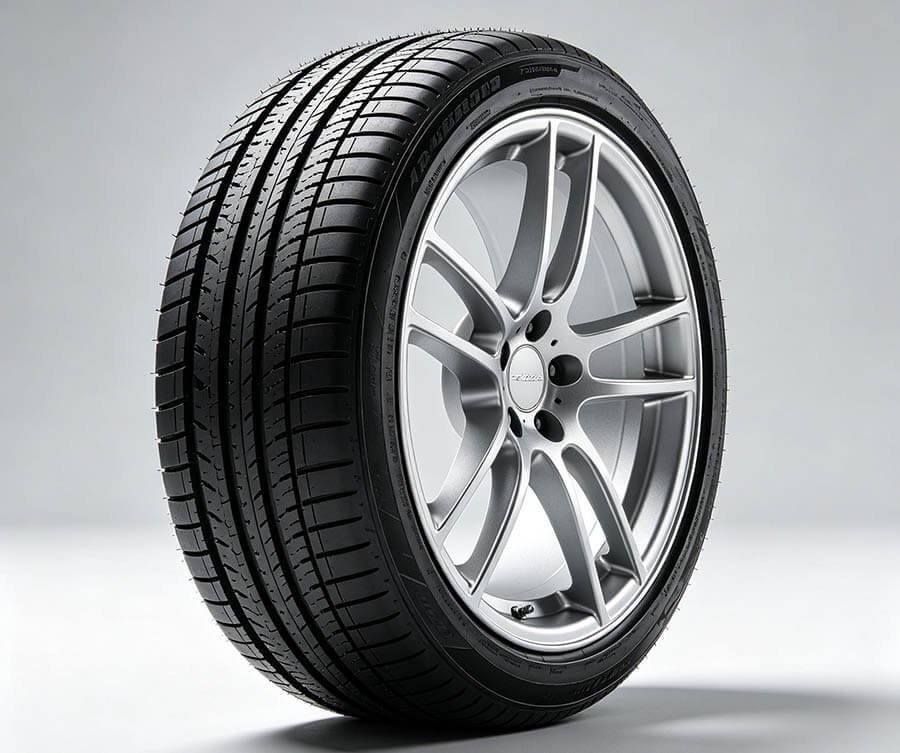
Even when switching to lightweight alloy wheels, proper wheel balancing remains critical. Lightweight wheels can amplify small imbalances at highway speeds, leading to vibration, uneven tire wear, and reduced driving comfort.
Professional tire shops typically use adhesive wheel weights or clip-on wheel weights to achieve precise balance after wheel installation.
Conclusion-lighter wheels fuel economy
Switching to lighter wheels can provide modest improvements in fuel economy and EV range, particularly in stop-and-go driving conditions. While it won’t dramatically transform efficiency, the combination of reduced energy consumption, better handling, and decreased wear on suspension components makes it a worthwhile consideration for performance-conscious drivers and environmentally minded commuters.
Frequently Asked Questions
Do lighter wheels really save fuel?
Yes. Most drivers see a 1%-5% improvement depending on driving conditions and wheel weight reduction.
Do lighter wheels increase EV range?
Yes. Electric vehicles benefit from lower rotational mass, especially during city driving.
Are lightweight wheels harder to balance?
Not necessarily, but accurate wheel balancing becomes more important because even small imbalances are easier to notice.
Should I use adhesive or clip-on wheel weights?
Adhesive wheel weights are generally preferred for alloy wheels, while clip-on wheel weights are commonly used on steel rims.
Looking for High-Quality Wheel Balance Weights?
Shengshi Weiye manufactures adhesive wheel weights, clip-on wheel weights, steel wheel weights, zinc wheel weights, and OEM customized balancing solutions for tire distributors, wholesalers, and automotive service providers worldwide.
√ OEM & ODM Available
√ Custom Logo & Packaging
√ Norton Tape Available
√ Fast Global Delivery
√ ISO Quality Control
Email: wheelweight9@ssqcpj.com
WhatsApp: +86 18713779288
Request a Free Quote: Contact Shengshi Weiye