
How to Choose the Correct Clip-On Wheel Weight Profile
How to Choose the Correct Clip-On Wheel Weight Profile for Different Rims
Choosing the correct clip-on wheel weight profile is essential for accurate wheel balancing, secure installation, and rim protection. Different wheels have different rim flange shapes, thicknesses, and edge designs. Using the wrong clip profile may cause poor retention, damage to the rim surface, or wheel weights coming loose during driving.
For tire shops, automotive parts distributors, and wheel service professionals, understanding the differences between P, MC, AW, IAW, FN, EN, and other clip-on wheel weight profiles helps ensure the correct fit for each application.
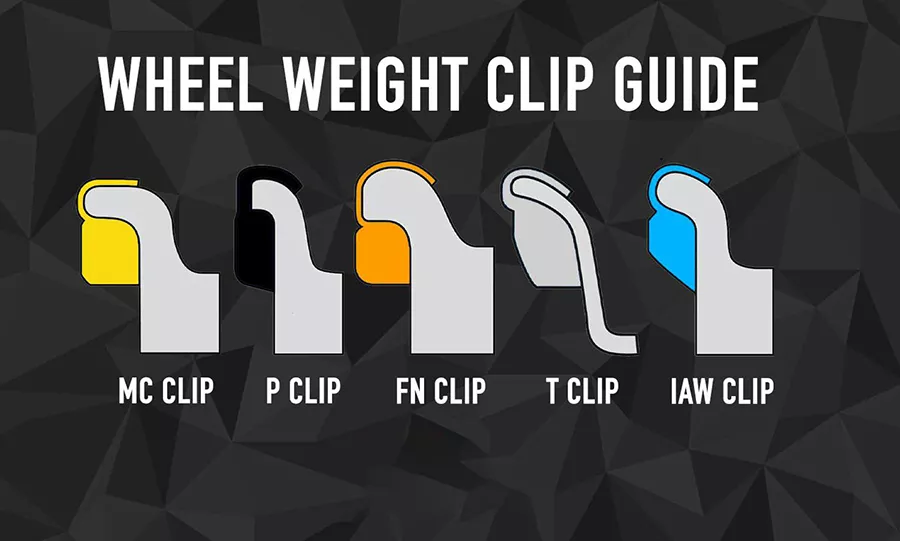
This guide explains how to identify rim types, select suitable clip-on wheel weights, and avoid common fitting problems.
1. What Is a Clip-On Wheel Weight Profile?
A clip-on wheel weight profile refers to the shape and design of the metal spring clip attached to a wheel balancing weight.
The clip is designed to grip the rim flange securely. Its opening, curvature, contact points, and retention structure must match the rim edge.
Different clip profiles are developed for different wheel flange designs, including steel wheels, alloy wheels, and commercial vehicle wheels.
The most important principle is simple: Choose a clip-on wheel weight according to the rim flange profile, not just the wheel material or vehicle model.
2. Common Types of Clip-On Wheel Weight Profiles
Several clip profiles are widely used in the automotive aftermarket. Their applications vary depending on wheel design, vehicle manufacturer, and regional fitment standards.
| Profile | Typical application | Key consideration |
|---|---|---|
| P | Many conventional steel wheel applications | Designed for specific steel rim flange shapes |
| MC | Selected alloy and steel wheel applications | Verify the flange contour and application |
| AW | Selected aluminum alloy wheels | Check the exact wheel flange design |
| IAW | Selected OEM alloy wheel applications | Common in various European and Asian vehicle applications |
| FN | Selected alloy wheel applications | Match the clip geometry to the rim edge |
| EN | Selected European-style alloy wheel applications | Confirm the required profile |
| T | Selected heavy-duty or thicker flange applications | Check the rim dimensions and clip specifications |
| LH | Selected special wheel applications | Use the corresponding application guide |
Important: These are general application references, not universal compatibility rules. A particular profile code may have different applications across manufacturers. Always check the wheel manufacturer's specifications or use a rim flange gauge before selecting a weight.
3. How to Choose Wheel Weights for Different Rim Types
Steel Wheels
Steel wheels commonly have rolled rim flanges with relatively straightforward edge designs.
P-type clip-on wheel weights are widely used for conventional steel wheel applications. However, other profiles may also be required depending on flange thickness and geometry.
When selecting a wheel weight for a steel rim, check:
- Rim flange thickness.
- Flange shape and curvature.
- Clip opening and gripping force.
- Weight clearance around the brake components.
A properly matched clip should sit securely against the rim flange without excessive movement.
Aluminum Alloy Wheels
Alloy wheels often feature more complicated flange designs, decorative edges, and finished surfaces.
MC, AW, FN, IAW, and EN profiles are commonly encountered in alloy wheel balancing applications.
When selecting clip-on weights for alloy rims, pay attention to:
- The exact shape of the rim flange.
- Whether the wheel manufacturer permits clip-on weights.
- The coating on the wheel weight.
- Potential scratching or coating damage during installation.
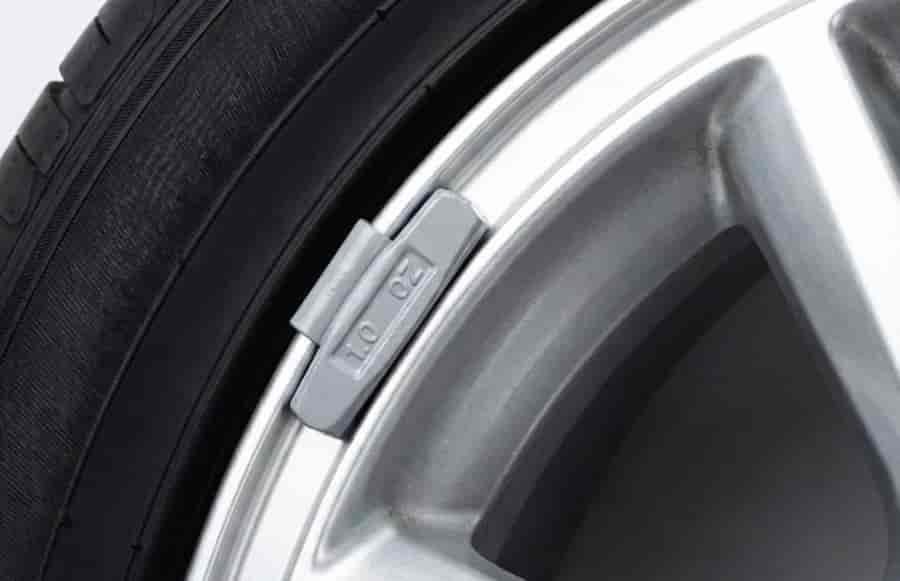
For finished alloy wheels, coated clip-on wheel weights are generally preferred when the application permits them. A nylon- or plastic-tipped installation tool can help protect the coating.
Truck and Commercial Vehicle Wheels
Truck and commercial vehicle rims may require heavier balancing weights and different clip constructions.
The selection should consider the rim's flange dimensions, wheel design, weight capacity, and operating conditions.
Do not assume that passenger-car clip profiles are suitable for truck wheels. Always follow the relevant wheel and weight manufacturer's application recommendations.
4. Five Steps to Identify the Correct Clip-On Wheel Weight
Selecting the correct wheel weight does not have to be complicated. Tire service technicians can follow these five steps.
Step 1: Identify the Rim Material
Determine whether the wheel is steel or aluminum alloy. This helps narrow down the available wheel weight options.
Step 2: Inspect the Rim Flange
Examine the outer and inner rim edges. Pay attention to the flange thickness, curvature, lip depth, and overall shape.
Step 3: Check the Required Profile
Compare the rim design with the wheel weight manufacturer's application chart. Do not rely on appearance alone.
Step 4: Test the Fit
Install a sample weight using the correct installation tool. The clip should follow the rim contour and hold the flange securely.
A loose fit, excessive resistance, or incomplete seating indicates that the profile should be checked again.
Step 5: Check Clearance and Retention
After installation, confirm that the weight does not interfere with the brake caliper or other wheel components. Make sure it is properly seated and retained.
5. Clip-On Wheel Weights vs. Adhesive Wheel Weights
Not every wheel is suitable for clip-on balancing weights.
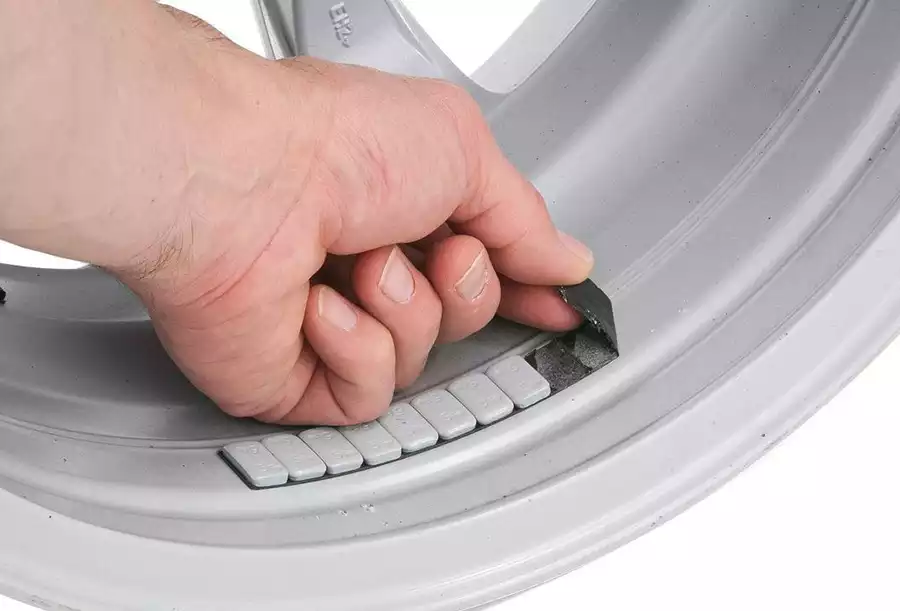
Some modern alloy wheels have decorative or flat edges without a suitable mounting flange. In these situations, adhesive wheel weights may be a better solution.
| Feature | Clip-On Wheel Weights | Adhesive Wheel Weights |
|---|---|---|
| Installation | Attached to the rim flange | Bonded to the inner wheel surface |
| Mounting requirement | Suitable rim flange required | Suitable clean bonding surface required |
| Typical applications | Steel and compatible alloy rims | Many modern alloy wheels |
| Installation tool | Wheel weight hammer or installer | No hammer required |
| Appearance | Visible on the rim edge | Usually hidden behind the spokes |
Before choosing an adhesive weight, check the available flat mounting area, brake clearance, surface condition, and wheel manufacturer's instructions.
6. Common Mistakes When Choosing Clip-On Wheel Weights
Even experienced technicians can encounter problems when the wrong wheel weight is selected.
Here are several common mistakes to avoid:
Using a steel wheel weight on an alloy rim without checking compatibility.
The clip may not match the flange geometry and could damage the wheel finish.
Choosing a profile based only on vehicle make.
The same vehicle model may have different wheel designs, depending on its production year, trim level, and optional wheel package.
Ignoring rim flange thickness.
A clip that is too loose may not provide adequate retention, while an unsuitable tight fit may damage the rim.
Ignoring wheel weight coating.
Uncoated or unsuitable weights may increase the risk of surface damage or corrosion, especially on finished alloy wheels.
Installing clip-on weights on decorative or unsuitable rim edges.
Some rim edges are not designed for clip-on weight installation. Adhesive weights may be required instead.
7. Why Proper Clip-On Wheel Weight Selection Matters
The correct wheel weight profile helps achieve three important results:
- Secure retention: The clip grips the rim flange correctly and reduces the risk of weight loss.
- Rim protection: A suitable profile and protective coating help reduce scratches and surface damage.
- Accurate balancing: Correct installation allows the wheel balancing machine's correction values to be applied properly.
Wheel weight selection and installation should follow the applicable vehicle and wheel manufacturer's requirements.
8. How to Choose a Reliable Clip-On Wheel Weight Supplier
For tire shops, wholesalers, and automotive parts distributors, product consistency is just as important as profile selection.
When evaluating a wheel weight manufacturer, consider:
- A complete range of P, MC, AW, IAW, FN, EN, and other profiles.
- Consistent clip dimensions and spring performance.
- Stable weight accuracy and manufacturing quality.
- Suitable protective coatings for different wheel applications.
- OEM and private-label packaging options.
- Technical support for product identification and fitment.
Working with a manufacturer that understands different rim flange designs can help distributors reduce incorrect orders and improve product compatibility.
Adhesive Stick-On Wheel Weights
Frequently Asked Questions
Q1: Which clip-on wheel weight profile is used for steel rims?
P-type wheel weights are commonly used for conventional steel rims. However, the correct profile depends on the actual rim flange dimensions and vehicle application.
Q2: Which clip-on wheel weight profile is suitable for alloy wheels?
MC, AW, FN, IAW, and EN profiles are used in various alloy wheel applications. The correct choice depends on the rim flange design and manufacturer specifications.
Q3: Can I use the same clip-on wheel weight for steel and alloy wheels?
Not necessarily. Steel and alloy wheels can have different flange shapes and thicknesses. Some weight profiles are approved for multiple wheel types, but compatibility must be verified before installation.
Q4: How can I tell if a clip-on wheel weight is the wrong size?
Signs include an unstable fit, incomplete seating, excessive installation resistance, visible rim damage, or insufficient clearance. Check the profile and flange dimensions before proceeding.
Q5: Are clip-on wheel weights suitable for all alloy wheels?
No. Some alloy wheels do not have a suitable mounting flange. Adhesive wheel weights are often used when the wheel design does not permit clip-on installation.
Q6: What is the difference between P and MC wheel weight profiles?
P and MC are different clip-on weight profile designations. They have different clip geometries and application requirements. P is commonly associated with conventional steel wheel applications, while MC is used in selected alloy and other wheel applications. The correct selection should be based on the rim flange and application guide.
Conclusion
Choosing the correct clip-on wheel weight profile is an important part of professional wheel balancing. P, MC, AW, IAW, FN, EN, and other profiles are designed for different rim flange configurations.
Rather than selecting a wheel weight based only on its appearance or the vehicle model, technicians should inspect the rim flange, verify the profile, and check the installation and retention.
Cangzhou Shengshiweiye Automobile Accessory Co., Ltd. manufactures automotive wheel balancing weights, including steel, zinc, and lead clip-on wheel weights, as well as adhesive wheel weights and related tire accessories.
For product specifications, profile selection, and OEM inquiries, contact our team.
Website: https://www.sswyauto.com/
Email: wheelweight9@ssqcpj.com
WhatsApp: +86 18713779288
Get a Bulk Quote / Inquiry:
If you are looking for a reliable supplier or need a custom wholesale price, contact our sales representative instantly via WhatsApp or Email.
Next: