
What are the three types of wheel weights?
There are three main types of wheel weights ( tire balancing weights ), categorized by how they attach to the wheel:
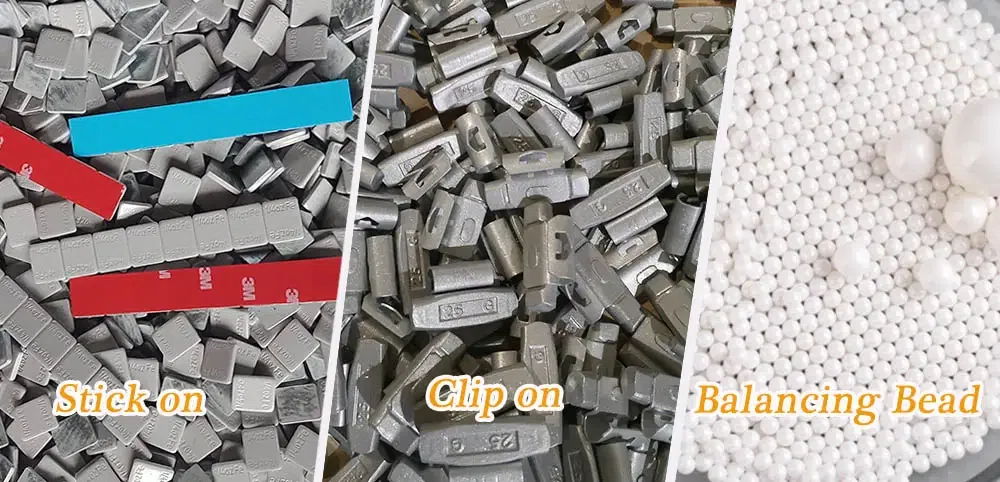
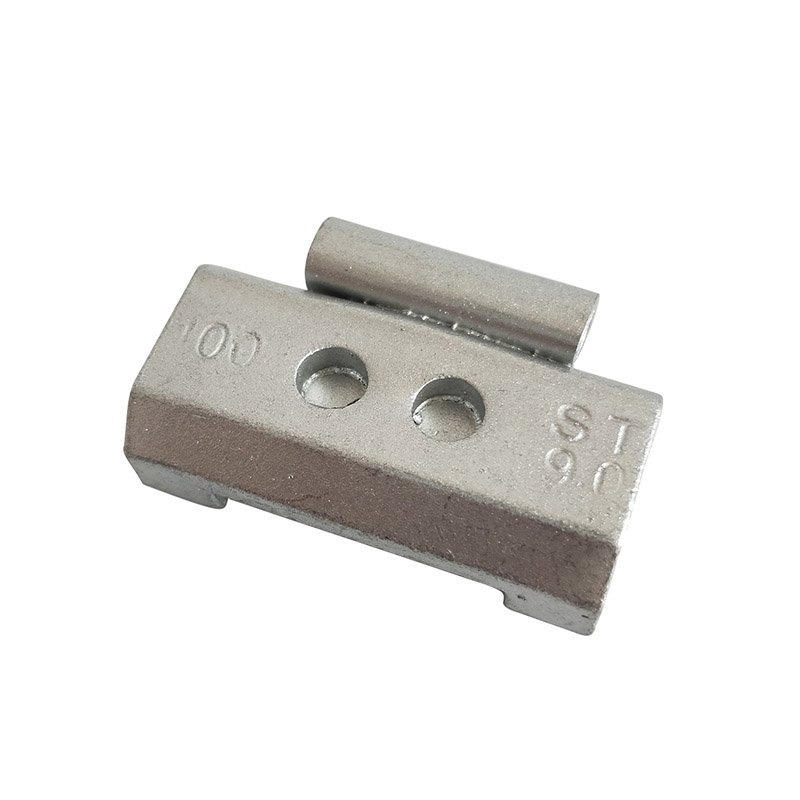
1.Clip-On Wheel Weights
- How they attach:Clipped onto the rim flange
- Best for:Steel wheels, heavy-duty trucks
- Materials:Steel, zinc, or lead-free alloys
- Pros:Strong hold, quick installation
- Cons:Can scratch alloy wheels; less aesthetic
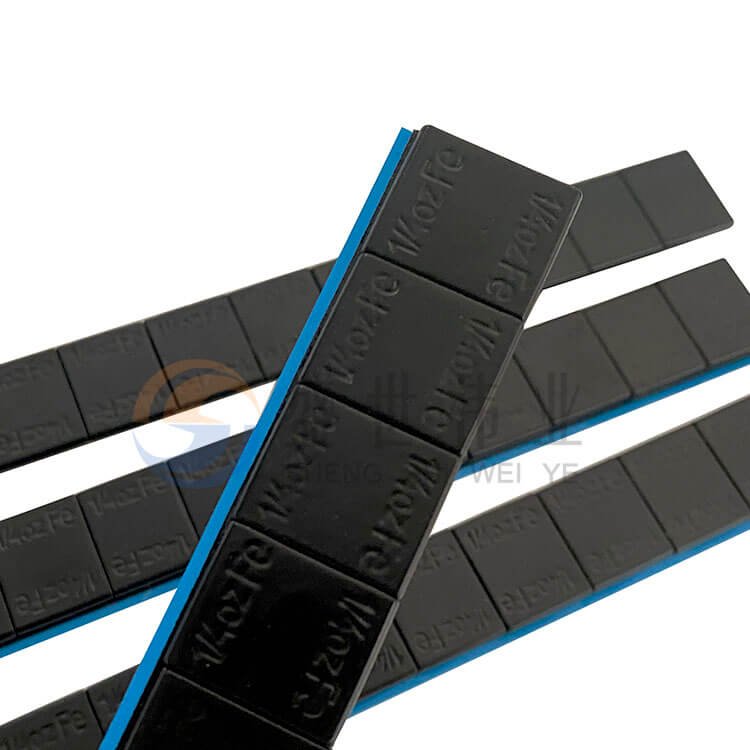
2.Stick-On (Adhesive) Wheel Weights
- How they attach:Adhesive tape on the inner wheel barrel
- Best for:Alloy, aluminum, and performance wheels
- Materials:Steel, zinc, or lead-free materials
- Pros:Clean appearance, no rim damage
- Cons:Requires clean surface for proper bonding
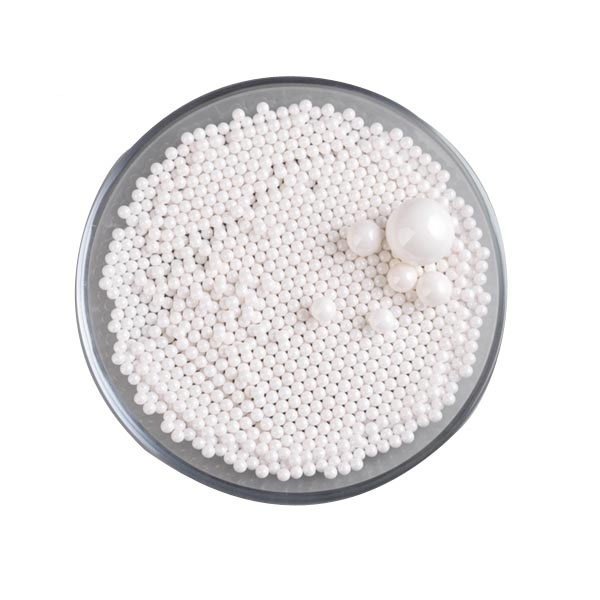
3.Tire Balancing Bead
- How they attach:Poured into the inside of the tire
- Best for:Alloy wheels, aluminum alloy wheels, and steel wheels
- Materials:Ceramic
- Pros:Long-lasting with a single installation, resulting in a cleaner wheel appearance
- Cons:Not recommended for tires with inner tubes; balancing only begins at a certain rotational speed
Wheel Balancing: Tire Balancing Bead vs Wheel Weights Comparison
Comparison Items |
Tire Balancing Bead |
Wheel Weights |
| Principle: | Randomly distributed inside the tire, dynamically adjusted by centrifugal force. | Fixed by adhesive or clamped to a specific position on the wheel hub. |
| Dynamic effects
|
Automatic dynamic balancing, continuously adjusts according to tire condition | Static balancing, fixed position only after installation |
| Applicable Tires: | Tubeless tires | All tires (Tubeless & Tube type, when installed with a mounting bracket) |
| Impact on wheel type:
|
Does not contact the wheel rim, does not damage the wheel hub. | Clip-On type may scratch aluminum alloy rims. |
| Installation location: | Inside the tire | Outer or inner edge of the wheel rim |
| Maintenance requirements: | Low (one-time installation, long-lasting) | Medium (may require rebalancing) |
| Best application scenarios: | Trucks, buses, off-road vehicles, large sedans | Passenger cars, steel wheels, light commercial vehicles |
| Speed & Initial Performance | Requires a certain rotational speed to reach full performance | Effective immediately after installation |
| Ease of use | Requires specialized equipment for bead installation | Simple installation, can be completed on-site |
| Cost | Initial cost is slightly higher than a single counterweight. | Single-use cost is low, but it may need to be repeated over the long term. |
| Durability | Long-term stability, no need for re-leveling | May require repeated adjustments due to vibration or material chipping. |
| Appearance Impact | No external weights, does not affect appearance. | Clip-on design may affect aesthetics. |
| Vibration improvement effect: | Particularly significant for high-speed vibrations | More sensitive to static balance |
Tire Balancing Bead:
Utilize an internal dynamic distribution system to achieve automatic balancing based on changes in vehicle speed, load, and tire wear. Ideal for trucks, buses, and heavy-duty vehicles, offering low long-term maintenance costs.
Wheel Balancing Weights:
Static fixed method, correcting weight imbalances during installation. Very practical for passenger cars, steel wheels, or situations requiring quick on-site adjustments.
Balancing beads provide dynamic tire balance inside tubeless tires over time, while wheel weights offer static balance by fixed attachment; beads suit heavy vehicles and long-distance use, and weights are ideal for quick, traditional balancing.
Related Reading
Types of wheel weights-rim balancing weight
Shengshiweiye Wheel Balance Weight tools
How to remove wheel weight adhesive?
Related Products
 |
 |
 |
1/4 oz fe wheel weights |
Truck knock-on wheel weight |
Tire Balancing Bead |