
How to use automotive tire pump
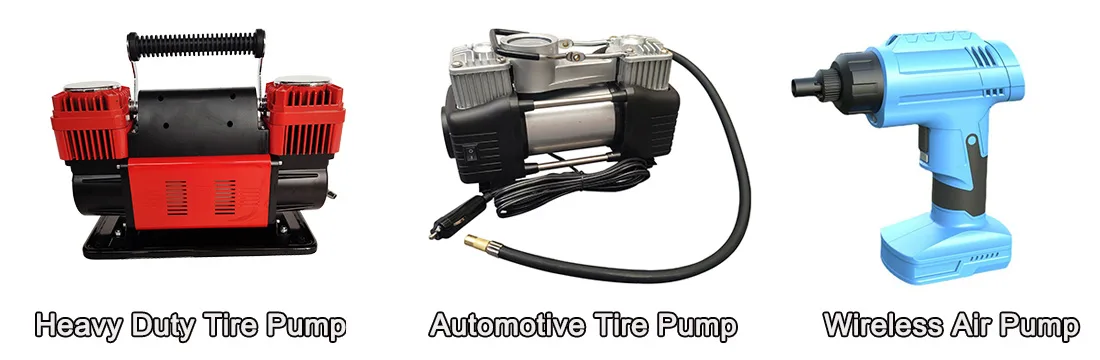
The following are the correct instructions for using an automotive tire pump, applicable to car-mounted air pumps, portable air pumps, 12V cigarette lighter air pumps, and household power air pumps.
I. Preparation before use
1.Confirm the standard tire pressure.
Check the vehicle's identification plate (on the inside of the driver's door, fuel filler cap, or in the owner's manual) to confirm the manufacturer's recommended tire pressure.
2.Turn off the engine and park the vehicle.
Park in a flat, safe location and engage the handbrake.
3. Check the air pump status.
Ensure the power cord and air hose are not damaged, and the connectors are clean.
II. Steps for using the air pump
Step 1: Remove the valve cap
Unscrew the dust cap from the tire valve and put it in a safe place to avoid losing it.
Step 2: Connecting the air pump
• Securely connect the air pump hose connector to the tire valve.
• Ensure the connection is tight to prevent air leakage.
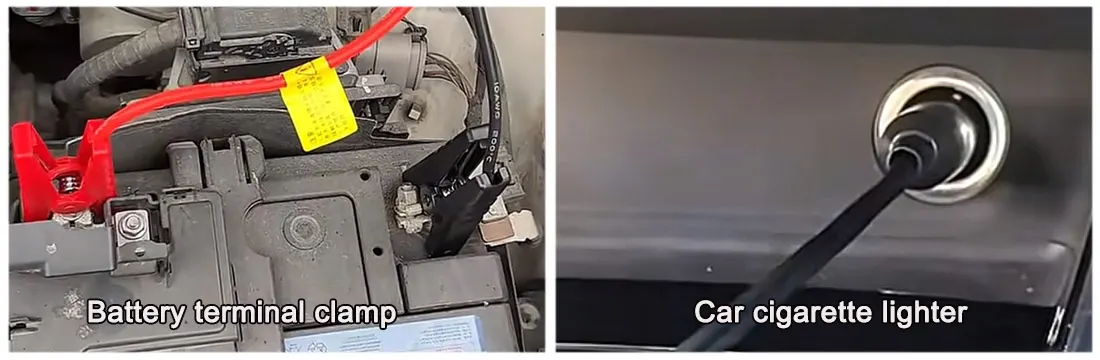
Step 3: Connect the power supply
• Car air pump: Plug into the car's cigarette lighter (12V)
• Home air pump: Household air pump: Insert the battery clips.
Step 4: Set or monitor tire pressure
* Smart digital display model: First set the target tire pressure
* Standard model: Monitor the pressure gauge reading at all times
Step 5: Start Inflation
* Press the start button to begin inflation.
* Pay attention to whether the sound is normal during inflation.
* Observe the tire pressure increase.
Step 6: Stop when the tire pressure is reached.
* Automatic model: Automatically stops when the set value is reached.
* Manual model: Manually switch off when the standard tire pressure is reached.
Step 7: Disconnect and Reset
• Turn off the power.
• Disconnect the air pump connector.
• Screw the valve cap back on.
III. Post-inflation inspection
Use a tire pressure gauge to reconfirm the tire pressure.
Check the valve stems for leaks.
It is recommended to check all four tires individually (including the spare tire).
IV. Precautions for Use
1. It is recommended to inflate the tires when they are cold.
2. Continuous use should generally not exceed 10–15 minutes to avoid overheating.
3. Do not exceed the maximum allowable tire pressure.
4. Truck/bus tires require a high-pressure air pump.
V. Applicable Scenarios
• Daily tire pressure maintenance
• Pre-long-distance travel checks
• Emergency low tire pressure situations
• Home/vehicle maintenance
Related products
 |
 |
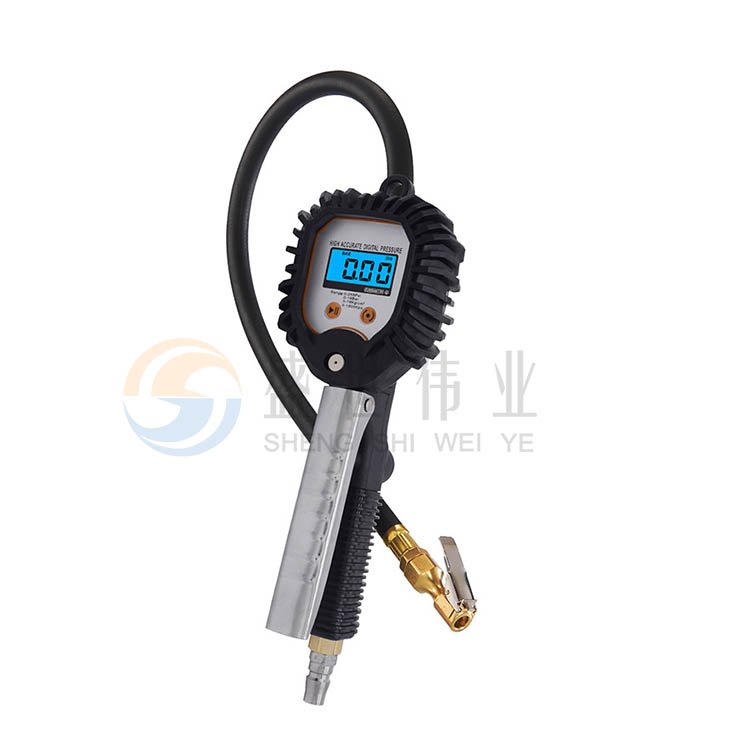 |
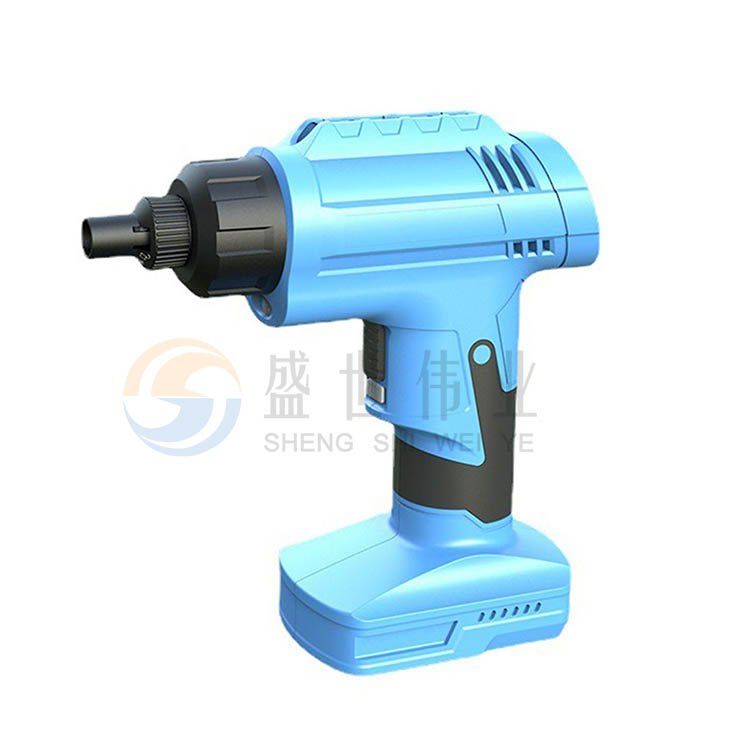
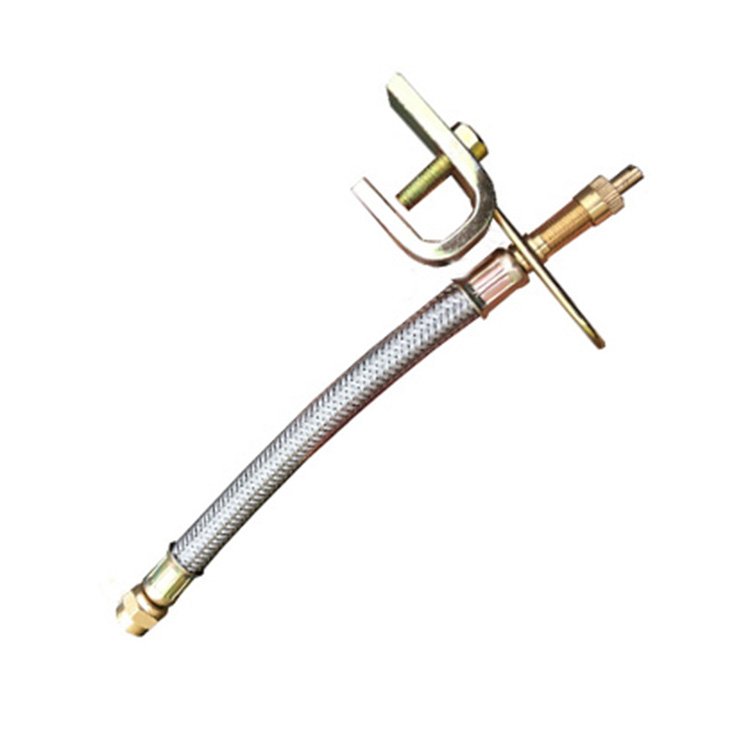
| Tire Inflator Tire Pump | Flexible tire valve extension | Digital air gauge |