Do tire repair strips vulcanize with the tire?
Do Tire Repair Strips Vulcanize with the Tire? The Science Behind the Seal
Do tire repair strips vulcanize with the tire?
Yes, high-quality tire repair strips do vulcanize with the tire. Premium repair strips are made from a highly tacky butyl rubber compound. When the vehicle is driven, the friction and heat generated by the road cause the butyl rubber to melt slightly. This triggers a chemical reaction called "self-vulcanization," allowing the plug to permanently fuse with the tire's internal rubber and steel belts, creating an airtight seal.
However, cheap synthetic rubber strips do not vulcanize properly and rely only on a temporary physical wedge to stop the air.

Understanding the Vulcanization Process in Tire Repair
To understand why a tire plug doesn't just fly out of the hole when you drive at 70 mph on the highway, we have to look at the chemistry of the repair materials.
What is Vulcanization?
In standard tire manufacturing, vulcanization is the chemical process of heating rubber with sulfur to make it harder, more durable, and weather-resistant.
When applied to tire repair strips (often called bacon strips or string strips), the process is known as Self-Vulcanizing or Cold Vulcanizing. Here is how it happens step-by-step:
- Insertion: The sticky plug is pushed into the reamed puncture hole.
- Heat Generation: As the car drives, the tire flexes, and the friction against the road generates significant internal heat.
- Chemical Fusion:This heat activates the resins in the butyl rubber strip. The plug softens and chemically bonds with the surrounding vulcanized rubber of the tire casing.
- Permanent Seal: Once bonded, the plug is no longer a separate piece of string; it becomes a unified, permanent part of the tire's structure.
The Trap: Why Some strips NEVER Vulcanize
If you are an auto parts distributor or shop owner, you must know that not all tire repair strips can vulcanize.
The market is flooded with low-cost black or brown strings made from cheap synthetic rubber or recycled plastics. These inferior strips lack the necessary butyl resins.
- How Cheap stripsFail: Because they cannot chemically fuse with the tire, they only work as a "friction wedge." Over time, temperature changes and tire flexing will cause these cheap strips to dry rot, shrink, and eventually cause a slow, dangerous air leak.
The ShengshiWeiye Standard:
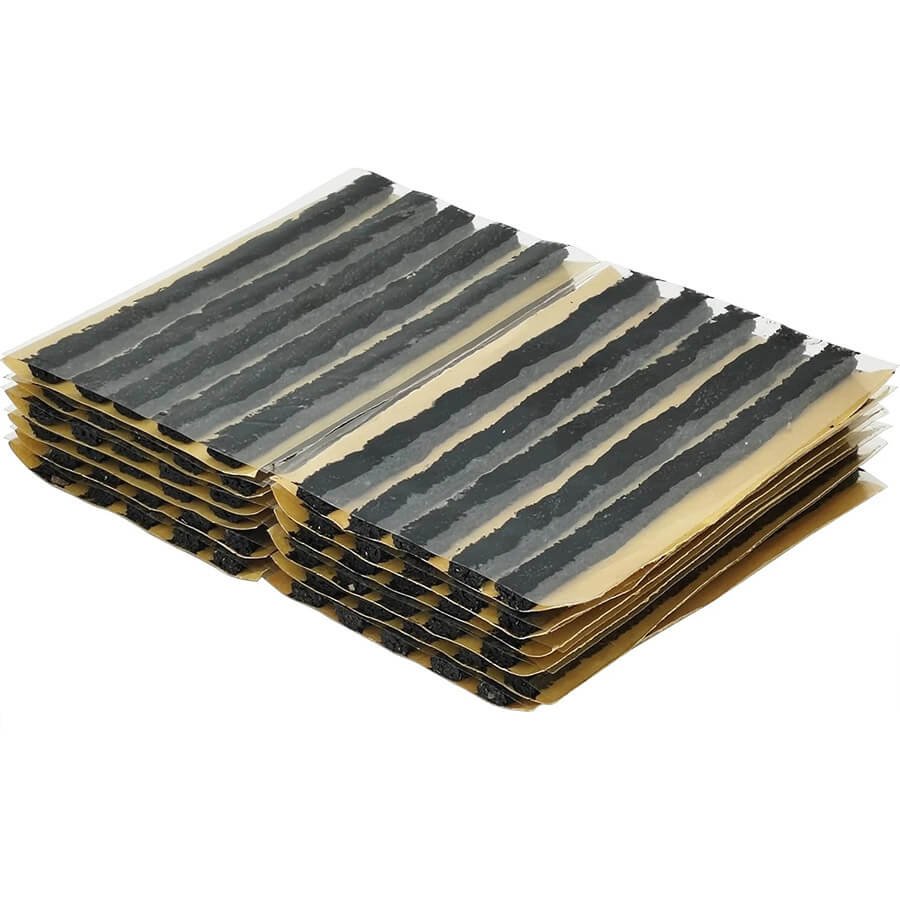
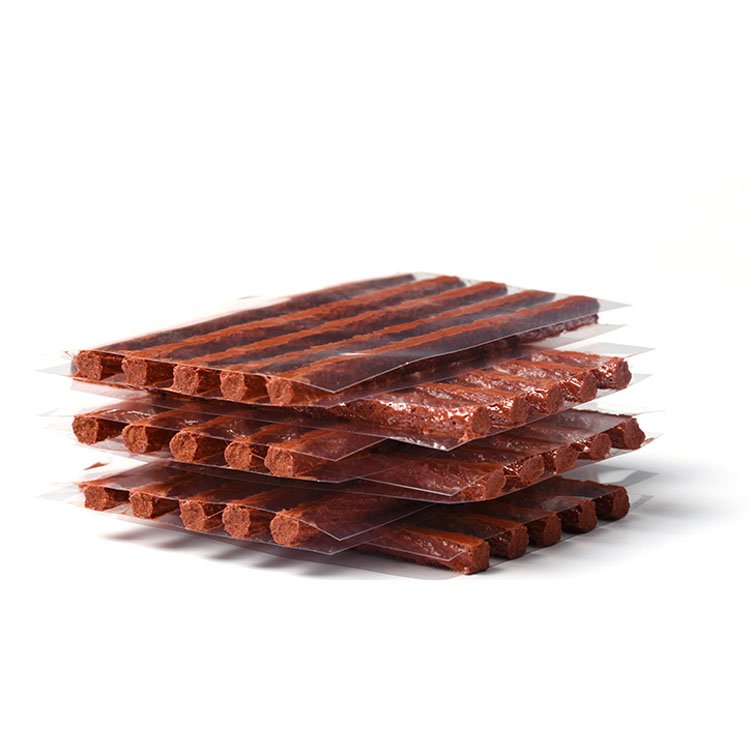
Our premium tire repair strips are engineered specifically for rapid self-vulcanization. We use 100% high-tack butyl rubber reinforced with high-tensile nylon fibers. You can actually feel the extreme stickiness with your fingers—that stickiness is the active resin waiting to vulcanize with your customer's tires.
Do You Need Rubber Cement to Make it Vulcanize?
This is the most debated question among mechanics.
Technically, a premium self-vulcanizing butyl strip can fuse with the tire using only driving heat. However, using vulcanizing fluid (rubber cement) is highly recommended by industry professionals for two reasons:
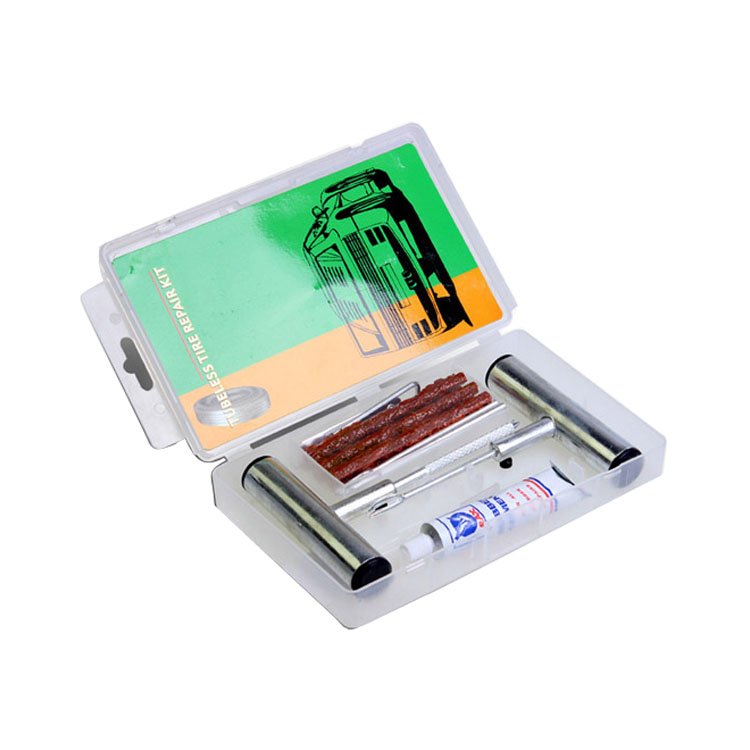
- Lubrication: It makes pushing the tight plug through the steel belts much easier.
- Chemical Catalyst:The fluid acts as an activator, speeding up the cold vulcanization process and guaranteeing a 100% airtight chemical bond even before the car hits the road.
B2B Call-to-Action
Stop Sourcing strips That Dry Out! Wholesale Premium Self-Vulcanizing Strips
Your reputation as a distributor or auto shop depends on the reliability of your materials. Partner with a direct manufacturer that guarantees high-tack, fast-vulcanizing tire repair products.
100% Butyl Rubber Formula for True Vulcanization
Long Shelf-Life (Resists Dry Rot in Storage)
OEM/ODM Custom Packaging & Bulk Supply
Get Your Free Wholesale Quote & Samples Today
Chat with Our Material Experts on WhatsApp
Frequently Asked Questions
Q: How long does it take for a tire plug to fully vulcanize?
A: The vulcanization process begins immediately upon insertion if vulcanizing fluid is used. If inserted dry, the chemical bonding starts as soon as the tire reaches optimal operating temperature from driving (usually within the first 5 to 10 miles).
Q: Can a self-vulcanized tire plug ruin the tire for future patching?
A: No. If a string plug is used temporarily, a mechanic can later remove the tire from the rim, buff out the inner section of the vulcanized plug, and apply a permanent internal mushroom patch-plug combination over the same hole.
Q: Why do some tire strips look hairy or stringy?
A: The "hairs" are high-tensile nylon fibers woven into the butyl rubber. These fibers provide structural integrity, ensuring the plug doesn't snap in half when being forced through the sharp steel belts of the tire during installation.