
What is Tire Repair Patch and How Does It Work?
What is a Tire Repair Patch ?
It's common for tires to be punctured by nails, gravel, or other sharp objects during daily driving or cycling. Many people choose to use a Tire Repair Patch to repair it. So, what exactly is a Tire Repair Patch? And how does it securely and seal a punctured tire? This article will explain its principles, types, and usage precautions to help you repair tires scientifically and travel safely.
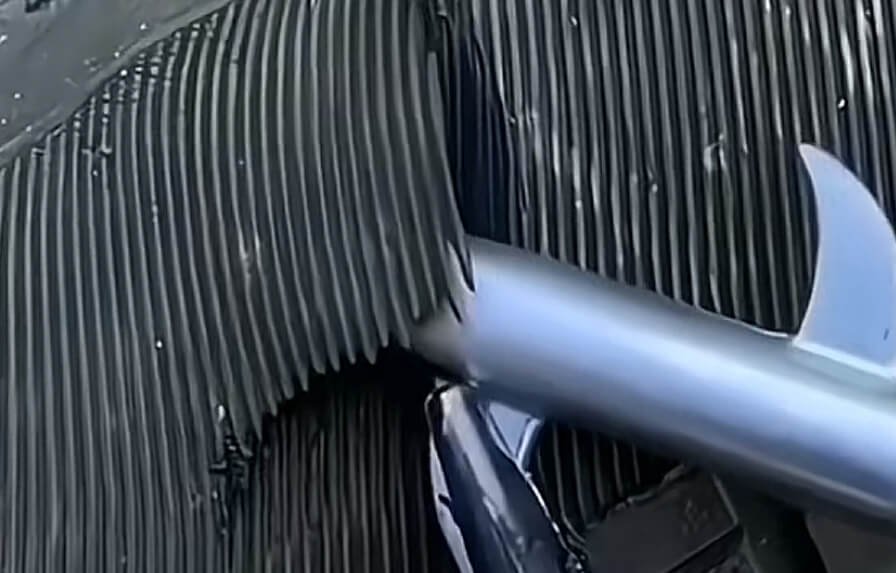
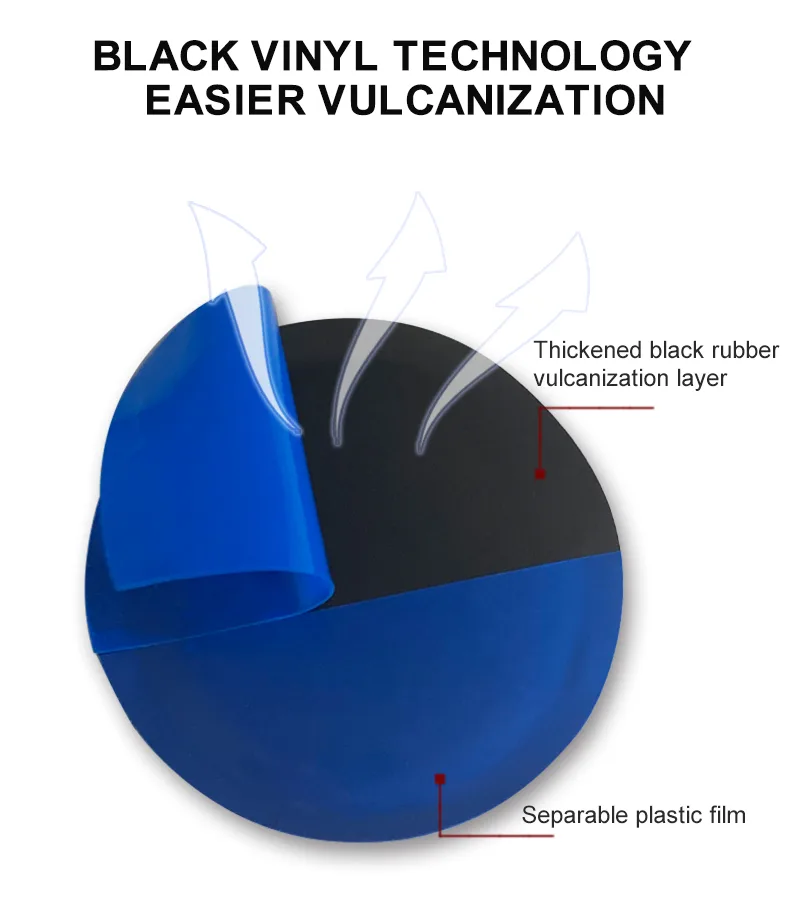
A tire repair patch is a rubber material specifically designed to repair small holes in tubeless tires of bicycles, motorcycles, or cars. It is typically made of semi-vulcanized rubber and used with a special adhesive to achieve a strong bond with the tire rubber at room temperature.
Depending on the application scenario, Tire Repair Patches are mainly divided into:
Cold Patch: Suitable for temporary or regular repairs, requires no heating, and is easy to apply.
Heated Patch: Requires heating equipment and is mostly used in professional repair shops; provides a stronger bond.
Self-Adhesive Patch: Comes with its own adhesive layer; simply peel and apply; suitable for emergency use.
2.How a Tire Repair Patch Works
Many people mistakenly believe that tire repair is simply "applying a piece of tape," but that's not the case. True tire repair involves a chemical vulcanization and sealing process.
- Surface Preparation:First, sand the leaking area to remove oxide layers and dirt, increasing the bonding area.
- Adhesive Activation: Apply a special cold patch adhesive to activate the active groups on the surface of the patch and the tire rubber.
- Bonding and Vulcanization: Apply the patch to the damaged area and apply pressure to ensure a tight bond. At room temperature, the semi-vulcanized layer in the patch undergoes a secondary vulcanization reaction upon contact with the tire rubber, forming a unified, sealed structure.
- Natural Curing:After standing for several minutes to several hours, the patch fuses with the tire, restoring airtightness and strength.
This "room temperature vulcanization" technology is the key to the strong adhesion and long-term leak-proof performance of modern high-quality patches.
3. Scope and Limitations
√ Applicable Situations:
Punctures ≤ 6mm in diameter (e.g., nails, screws)
Tread area damage (excluding sidewall)
Small perforations in inner tubes or tubeless tires
× Not recommended for use in the following situations:
Tire sidewall damage (fragile structure, prone to blowout)
Large-area cuts or tears
Repeatedly repairing the same spot
Tires that have been treated with self-sealing fluid (residual fluid affects adhesion)
Special Reminder: For car tires, using an external patch (commonly known as "applying a rubber strip") is only suitable for temporary emergency use. The proper procedure is to remove the tire, apply the patch from the inside, and perform a dynamic balance check.
4.Selection and Usage Recommendations
- Choose a Brand: Prioritize professional brands such as Tiptop, Michelin, and Goodyear to ensure the quality of the adhesive.
- Check the Material: High-quality patches are flexible and resilient, with smooth edges and a uniform vulcanization layer.
- Prepare the Adhesive: Always use the matching cold-applied adhesive; do not substitute with ordinary 502 or all-purpose glue.
- Procedure: Sanding → Cleaning → Applying Adhesive → Applying the Patch → Pressing Firm → Letting Set – each step is essential.
Tire repair patche may be small, but they are essential tools for ensuring driving safety. Understanding how they work and how to use them correctly can not only extend tire life but also prevent safety hazards caused by improper tire repair. Whether you're a cycling enthusiast or a cyclist, mastering this basic skill will be greatly beneficial.
Use with machine Tyre Vulcanizing Machine
| Characteristic | Tire Plug | Tire Repair Patch |
| Installation location | Outside-in | Inside-out |
| Persistence | Temporary | Permanent |
| Security | High speed risk | Safe for high speed |
| Sealing | Seals hole only | Seals inner liner & hole |