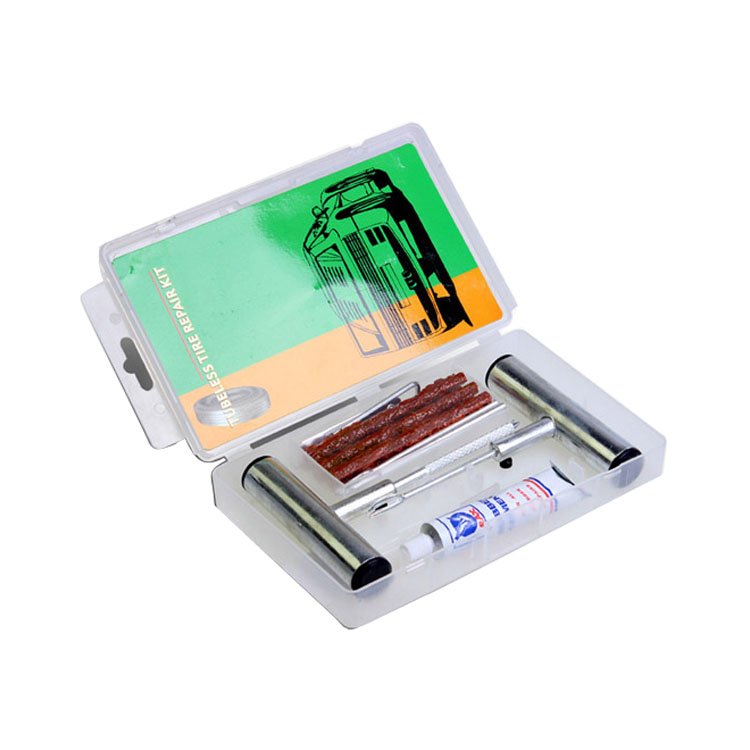
Brown vs Black Tire Repair Strips: Which is Better? | Industry Insight
Brown vs. Black Tire Repair Strips: Which is Better for Auto Shops?
Summary
What is the difference between brown and black tire repair strips?
The main difference lies in the material composition and vulcanization properties.
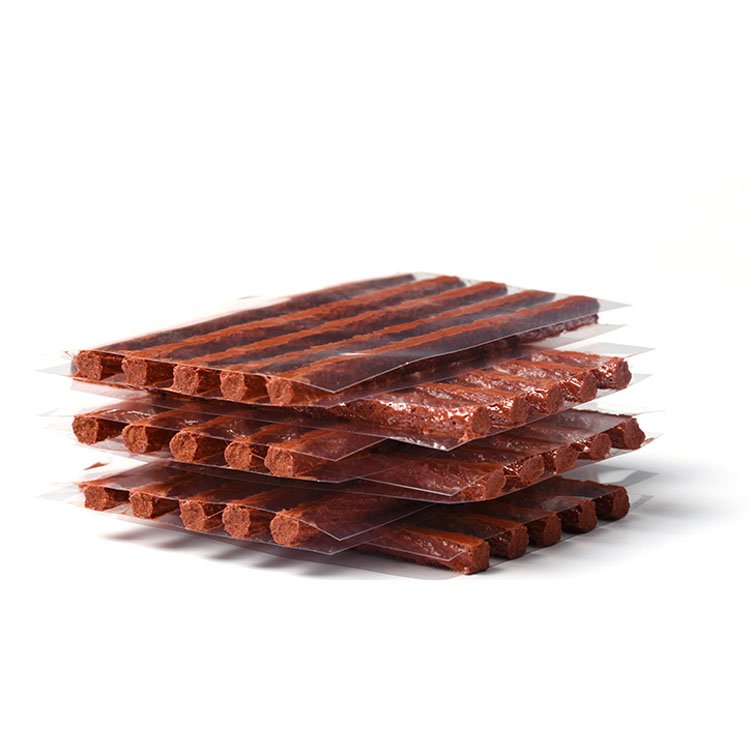
- Brown Tire Strips:Made from a highly tacky, butyl-rubber compound reinforced with heavy-duty nylon fibers. They are typically self-vulcanizing, meaning they naturally fuse with the tire's rubber under driving heat, creating a permanent, airtight seal.
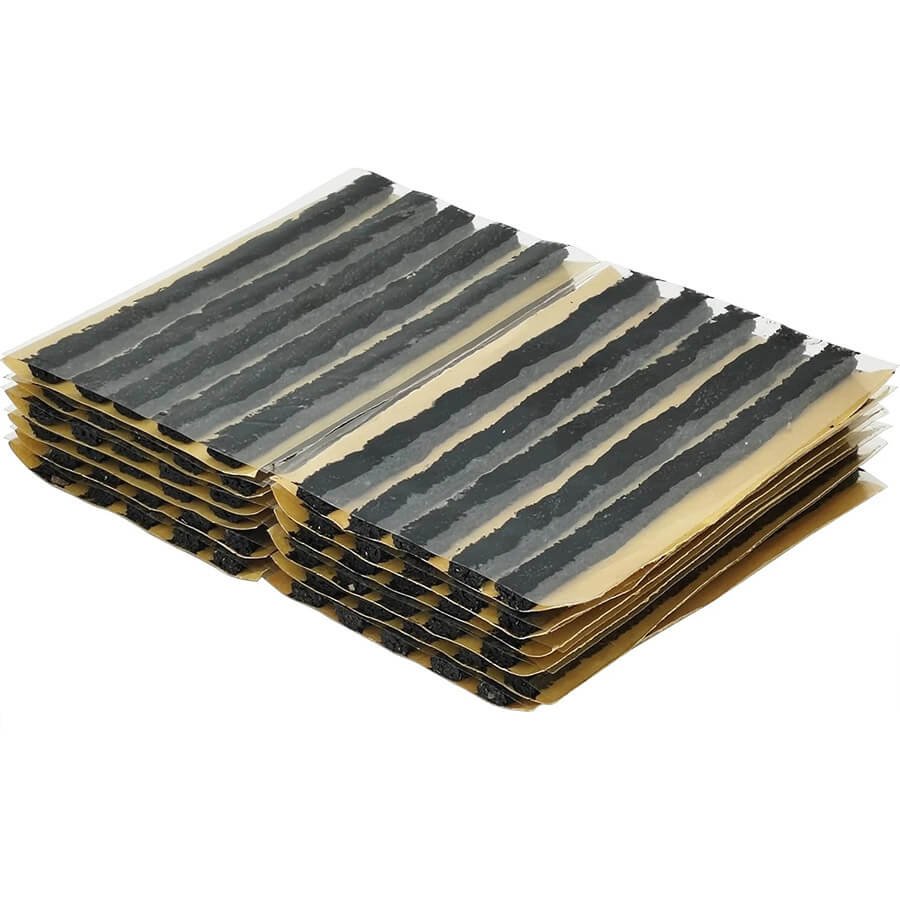
- Black tubeless tire repair strings:Often made from standard synthetic rubber with carbon black. While they blend perfectly with the color of the tire, they usually require the application of rubber cement to cure properly and may dry out faster than brown strips.
The Verdict: For professional auto repair shops and heavy-duty use, brown self-vulcanizing strips are considered superior due to their extreme stickiness, durability, and better sealing performance.
 |
 |
The Material Science: Why Color Matters in Tire Plugs
When automotive distributors and repair shop owners bulk-order tire puncture repair kits, the "brown vs. black" debate is one of the most common topics. It’s not just an aesthetic choice; the color indicates the chemical makeup of the tire plug string.
- Brown Tire Repair Strips(The Professional's Choice)
Brown strips are the industry standard for professional mechanics. The distinctive brown color comes from natural butyl rubber mixed with advanced adhesive resins.
- Self-Vulcanizing Power: They chemically react to the heat generated by the rolling tire, melting slightly to fuse permanently with the inner tire wall.
- Extreme Tackiness:You can feel the stickiness with your bare hands. This high-tack surface ensures the plug grabs the steel belts inside the tire, preventing air leaks even on rough roads.
- Reinforced Core:Woven with high-tensile nylon, they resist tearing during installation.
- Black Tire Repair Strips(The Standard Option)
Black strips use carbon black additives (similar to tires) to achieve their color.
- Visual Appeal:They blend seamlessly into the tire tread, making the repair virtually invisible.
- Rubber Cement Dependency:Most black strips are not naturally self-vulcanizing. They require a generous coating of vulcanizing fluid (rubber cement) to activate the bonding process.
- Best For:Emergency DIY kits, temporary fixes, or light-duty passenger vehicles.
Head-to-Head Comparison: Brown vs. Black Tire Strings
| Feature / Spec | Brown Tire Strips (Butyl) | Black Tire Strips (Standard) |
| Material | Butyl rubber + Nylon fiber | Synthetic rubber + Carbon black |
| Self-Vulcanizing? | Yes (often cures without glue) | No (requires rubber cement) |
| Tackiness / Stickiness | Extremely High | Moderate to Low |
| Durability | Long-lasting, heavy-duty | Good for standard/temporary use |
| Visual Appearance | Visible on the tread initially | Blends invisibly with the tire |
| Best Used For | Pro Auto Shops, Trucks, SUVs | DIY Kits, Motorcycles, Emergency |
Which Tire Repair Strip Should You Wholesale?
As a B2B automotive parts distributor or auto shop manager, your reputation relies on the reliability of your repairs. A blown-out tire plug can lead to dangerous highway accidents and negative customer reviews.
If you are catering to professional garages, commercial fleets, or off-road vehicles, stocking Brown Self-Vulcanizing Tire Strips is highly recommended. Their higher material quality ensures a lower failure rate, saving mechanics time and reducing liability.
However, if you are assembling retail emergency puncture kits for everyday drivers, premium Black Strips with an included tube of vulcanizing glue offer a great balance of cost-effectiveness and visual appeal.
Frequently Asked Questions
Q: Do I need to use glue (rubber cement) with brown tire plugs?
A: While high-quality brown tire strips are self-vulcanizing and can often seal a puncture without glue, using a vulcanizing cement acts as a lubricant during insertion and guarantees a 100% permanent chemical bond.
Q: Can a tire plug string ruin my tire?
A: No, if used correctly in the tread area (never on the sidewall), a high-quality plug string will not ruin the tire. However, industry standards recommend following up a plug repair with an internal patch-plug combination for maximum safety.
Q: How long is the shelf life of tire repair strings?
A: When stored in a cool, dry place away from direct sunlight, premium tire repair strips typically have a shelf life of 2 to 3 years. Low-quality black strips may dry out and lose their stickiness sooner.
Call to Me
Source Premium Tire Repair Materials Directly from the Manufacturer
Looking for high-quality tire repair strips that won't dry out or fail your customers? We manufacture and supply bulk self-vulcanizing brown tire strips, black tire plugs, and complete puncture repair kits for global distributors.
OEM Custom Packaging Available
Factory-Direct Wholesale Pricing
Tested for Extreme Weather & High-Speed Safety
Contact Us for a Free Wholesale Quote & Samples