

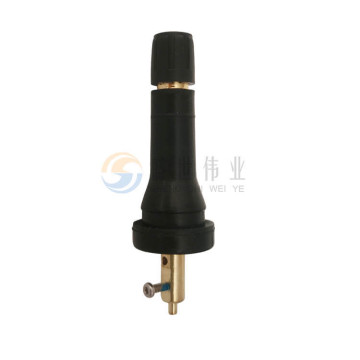
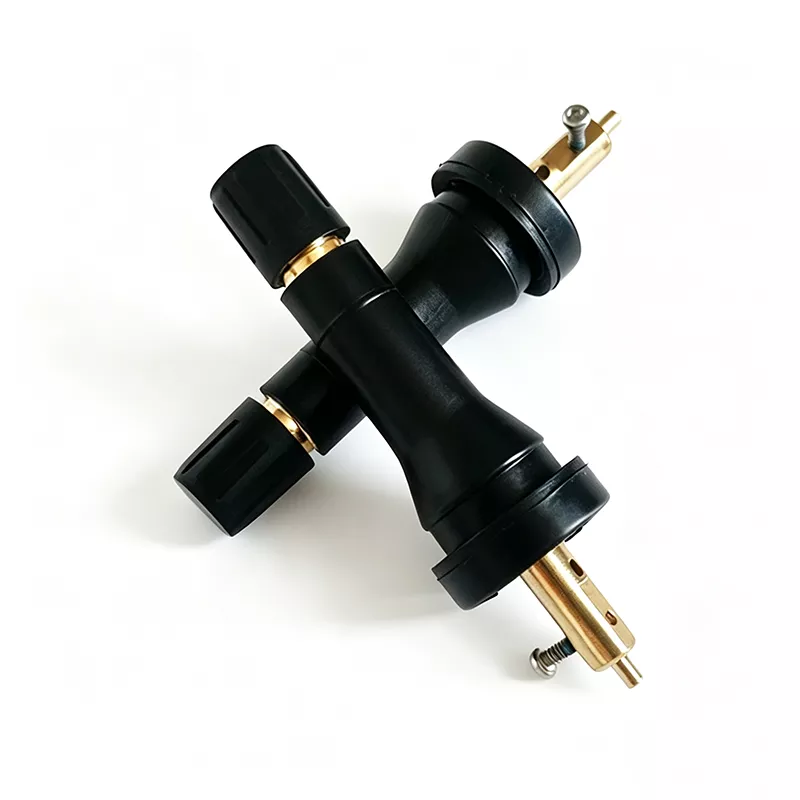
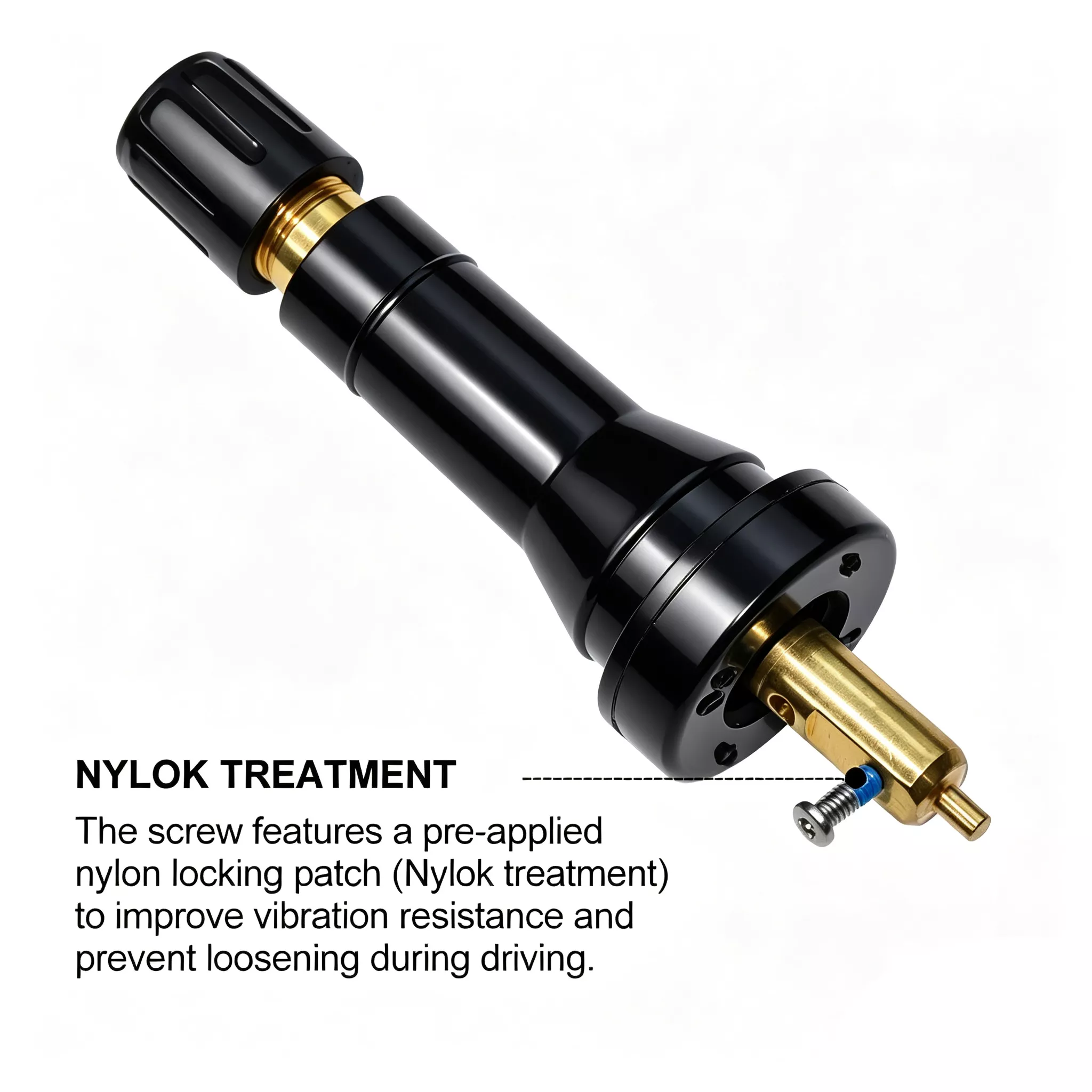
TPMS Valve 36
Product Overview:
The TPMS Valve 36 by Shengshiweiye is a high-grade aluminum replacement valve designed specifically for Tire Pressure Monitoring Systems. Engineered for precision and durability, it features a corrosion-resistant coating and high-temperature seals, ensuring leak-proof performance and stable signal transmission for automotive safety.
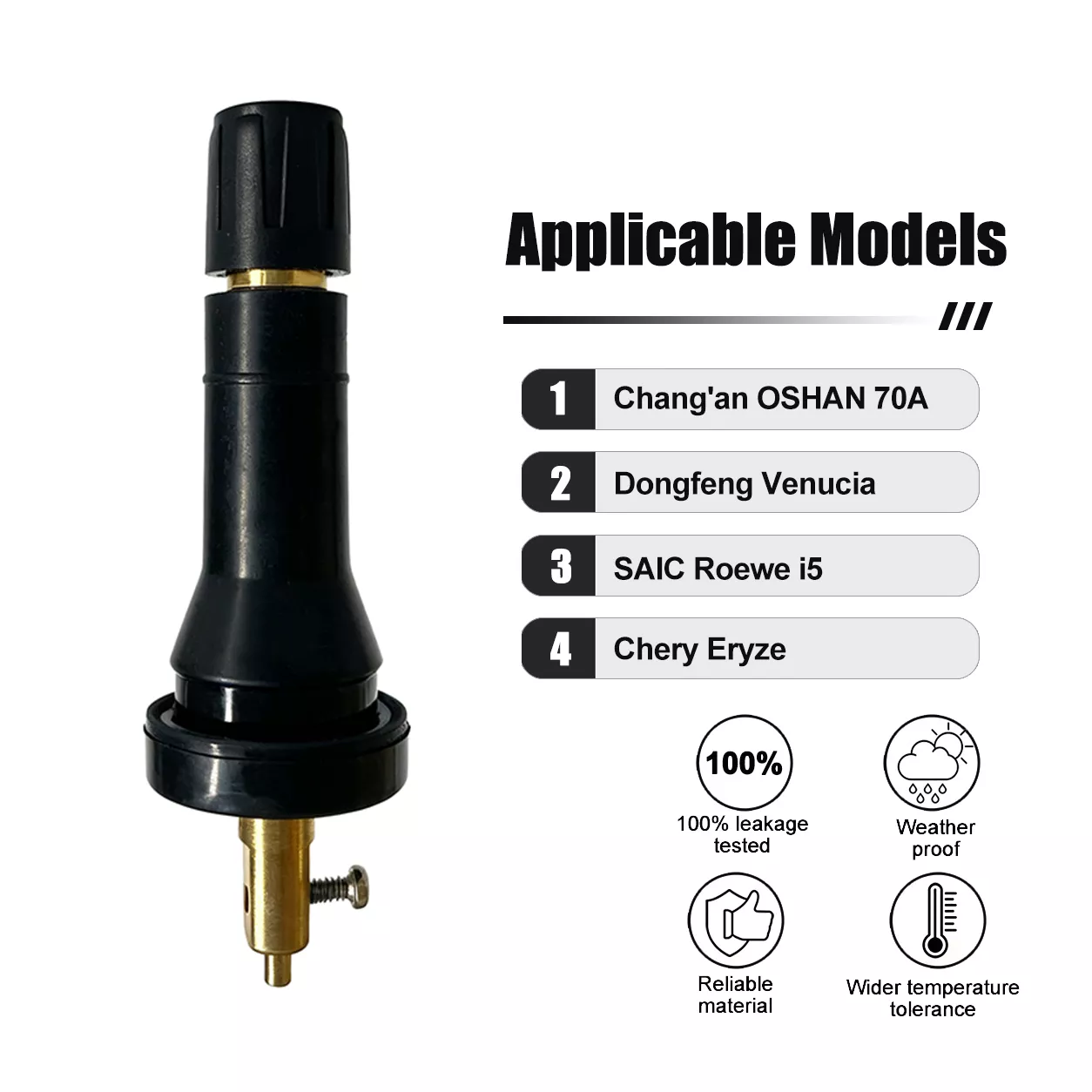
TPMS Valve 36 Applicable models: Changan Auchan 70A, Dongfeng Venucia, SAIC Roewe i5, Chery Arrizo


TPMS Valve 36 Key Features & Benefits
-
Premium Material: Manufactured from aircraft-grade aluminum alloy with an anodized finish to prevent oxidation and road salt corrosion.
-
Universal Compatibility: Designed to meet OEM specifications, making it an ideal replacement for a wide range of TPMS sensor brands.
-
Leak-Proof Engineering: Equipped with high-quality EPDM rubber O-rings and nickel-plated valve cores that withstand extreme pressures and temperatures.
-
Easy Installation: Precise threading and ergonomic design allow for a quick, secure fit during tire maintenance.
Why Choose Shengshiweiye TPMS Valve ?
As a leading manufacturer, Shengshiweiye ensures that every TPMS Valve 36 undergoes rigorous pressure testing before shipment. We understand that a valve is the first line of defense in tire safety; therefore, our valves are built to resist high-speed centrifugal forces and harsh weather conditions, providing long-term reliability for your fleet or retail customers.
TPMS Valve 36 Technical Specifications & Fitment
-
Material: Aluminum Alloy / Rubber (Optional)
-
Valve Type: Clamp-in TPMS Valve
-
Application: Passenger Cars, SUVs, and Light Trucks
-
Standard: Meets ISO/TS16949 certification requirements
Installation Guide: How to Install the TPMS Valve 36 Correctly
To ensure maximum safety and a leak-proof seal, follow these professional steps when replacing your Shengshiweiye TPMS Valve 36:
-
Preparation & Inspection: Before installation, clean the valve hole in the rim using a soft wire brush or cloth. Ensure the surface is free from corrosion, dirt, or old rubber residue.
-
Assemble the Valve: Place the high-quality rubber O-ring onto the valve stem. Insert the TPMS Valve 36 through the rim's valve hole from the inside.
-
Secure the Sensor: Position your TPMS sensor onto the valve stem body. Note: Ensure the sensor lies flat against the rim profile to prevent damage during tire mounting.
-
Tighten the Nut: From the outside of the rim, thread the washer and nut onto the stem. Use a calibrated torque wrench to tighten the nut to the manufacturer’s specified torque (typically 4Nm to 6Nm). Avoid over-tightening, as it may damage the seal.
-
Install the Valve Core & Cap: Insert the nickel-plated valve core and tighten it using a valve core tool. After inflating the tire, perform a leak test using soapy water, then screw on the protective dust cap.


