
What does a TPMS valve do, and how is it different from a standard valve?
What does a TPMS valve do?
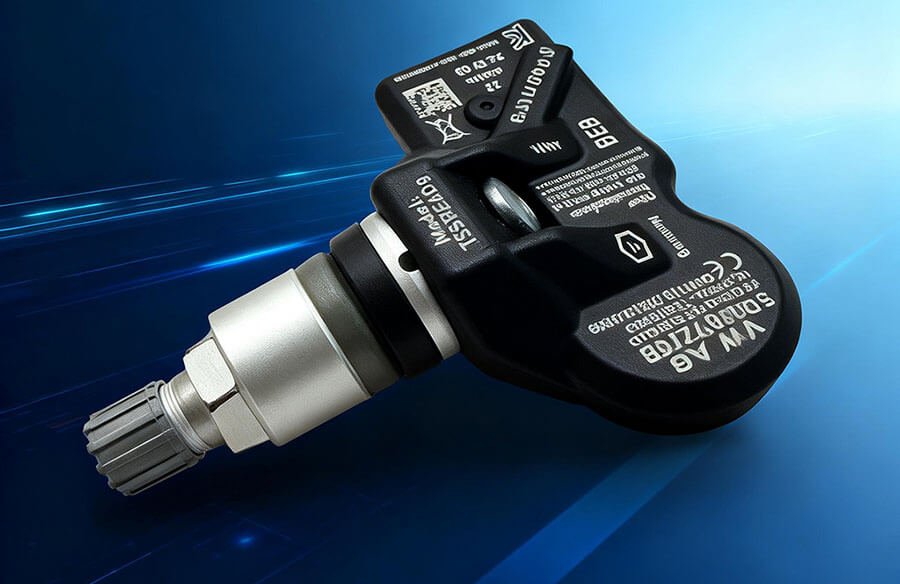
A TPMS (Tire Pressure Monitoring System) valve is an advanced automotive tire valve that combines standard air inflation functions with electronic monitoring capabilities. It securely connects to or houses a sophisticated sensor inside the tire. The primary function of a TPMS valve is to continuously measure real-time tire air pressure and temperature, and wirelessly transmit this data to the vehicle’s Electronic Control Unit (ECU).

Core Functions of a TPMS Valve:
-
Real-Time Data Transmission: Relays pressure and temperature metrics to the dashboard, alerting drivers to under-inflation.
-
Air Retention & Inflation: Acts as a secure passageway to inflate or deflate the tire while sealing air in.
-
Safety & Fuel Efficiency: Prevents tire blowouts and optimizes fuel consumption by maintaining correct pressure.
-
Sensor Protection: Anchors the delicate electronic TPMS sensor securely to the wheel rim, protecting it from centrifugal forces and vibrations.
TPMS Valve vs. Standard Tire Valve: What's the Difference?
For automotive repair shops and distributors, understanding the difference is crucial for inventory selection.
Standard rubber or metal valves (like the TR412) are basic mechanical components designed solely to keep air inside the tire. In contrast, TPMS valves are engineered with strict tolerances. Because they must support the weight of an electronic sensor, they are manufactured using aviation-grade aluminum or reinforced rubber. They also feature specialized anti-galvanic corrosion coatings and premium EPDM rubber grommets to withstand extreme temperatures (-40°C to +125°C).
1. Function of a TPMS Valve
A TPMS valve serves two main purposes:
- Inflation and air retention:Just like a standard valve, it allows air to enter the tire and prevents leaks.
- Pressure monitoring:It houses a sensor that continuously measures tire pressure and transmits data to your vehicle’s dashboard.
This real-time monitoring helps drivers avoid underinflated or overinflated tires, which can:
- Reduce fuel efficiency
- Cause uneven tire wear
- Increase the risk of tire blowouts
2. Difference Between TPMS and Standard Valves
| Feature | Standard Valve | TPMS Valve |
| Air Retention | Yes | Yes |
| Pressure Monitoring | No | Yes, with sensor and transmitter |
| Design | Simple metal or rubber stem | Built-in sensor, usually more robust |
| Cost | Low | Higher due to electronics |
| Maintenance | Minimal | Sensor battery replacement may be needed |
While both valves maintain air pressure, TPMS valves add safety and convenience by providing continuous feedback to the driver.
3. Installation and Maintenance Considerations
- TPMS valves are typically installed when tires are mounted or replaced.
- Sensor batteries last 5–10 years, after which the entire valve may need replacement.
- Using the correct TPMS valve type is critical to ensure accurate readings and avoid dashboard warnings.
4. Key Takeaways
- A TPMS valve combines traditional air retentionwith electronic tire pressure monitoring.
- Standard valves only allow inflation and seal the tire.
- Vehicles equipped with TPMS benefit from enhanced safety, better fuel efficiency, and prolonged tire life.
- Replacing or servicing TPMS valves requires care to maintain sensor functionality.
Why Partner with ShengshiWeiye?
Stop letting middleman markups eat into your profit margins. By sourcing directly from our factory, you get world-class quality at competitive wholesale prices.
Factory-Direct Pricing: Maximize your profit margins with our scalable wholesale rates.
Aviation-Grade Materials: 100% pure copper cores, high-strength aluminum, and premium EPDM rubber that never cracks.
Strict Quality Control: Every single valve undergoes 100% leak testing and extreme temperature simulations before shipping.
Customization & OEM: We offer tailored packaging, custom thread sizes, and OEM branding for your bulk orders.
Global Fast Shipping: Reliable supply chain ensuring your inventory is always well-stocked.
Conclusion
While standard valves serve a basic purpose of holding air, TPMS valves take tire maintenance to the next level by continuously monitoring pressure and alerting drivers to potential issues. Understanding the difference helps you maintain proper tire care, maximize safety, and keep your vehicle running efficiently.
Ready to Upgrade Your Auto Parts Inventory?
Whether you need high-volume TPMS replacement valves or complete sensor kits, we have the manufacturing capacity to meet your demands. Let's build a profitable partnership today.
Frequently Asked Questions
Q: Can I replace just the TPMS valve without replacing the entire sensor?
A: Yes. If the electronic sensor is still functioning but the valve stem is corroded, broken, or leaking, you can use a TPMS valve replacement kit (like our TPMS Valve 34). This is a highly cost-effective repair solution.
Q: How often should a TPMS valve be replaced?
A: Automotive professionals recommend replacing the TPMS valve components (the rubber grommet, nut, valve core, and cap) every time a tire is dismounted, or typically every 5 to 7 years, to prevent air leaks and galvanic corrosion.
Q: What materials are best for TPMS valves?
A: The most durable TPMS valves are constructed from aviation-grade aluminum alloy with an anodized finish to prevent galvanic corrosion (where the valve core seizes to the stem). The seals must be made from high-density EPDM rubber to ensure airtight performance in all weather conditions.